Introduction
Libya, a country rich in oil reserves and strategic location, has been facing significant challenges since the fall of its longtime leader Muammar Gaddafi in 2011. The ongoing political instability, social unrest, and economic turmoil have made Libya a focal point of international concern. As the country grapples with a complex landscape of factions, governance issues, and humanitarian needs, understanding the current situation in Libya is crucial for both regional and global stakeholders.
Political Landscape
Libya’s political situation remains fragmented, with multiple governments vying for control. The Government of National Unity (GNU), established in March 2021, initially offered a glimmer of hope for unification. However, it has faced significant opposition from rival factions, notably the Libyan National Army (LNA) commanded by Khalifa Haftar. Recent developments indicate a resurgence of military tensions, with sporadic clashes reported in various regions, particularly around the capital city of Tripoli.
Social Unrest and Humanitarian Issues
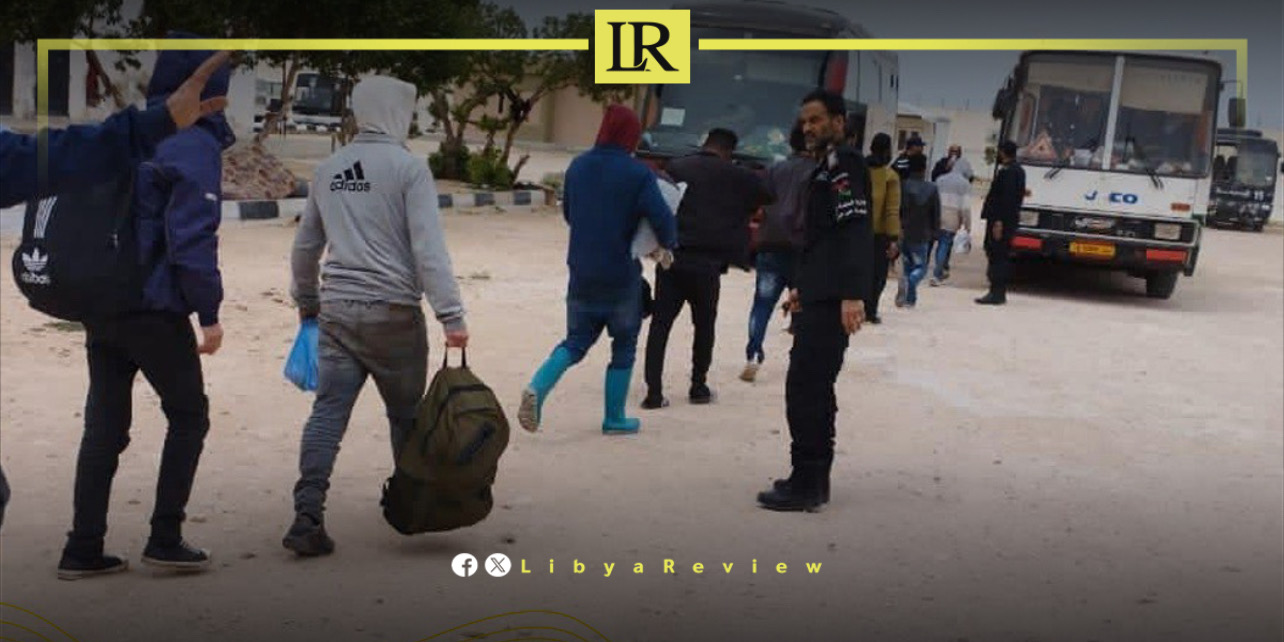
As political uncertainty continues, the humanitarian situation has deteriorated markedly. According to the United Nations, over 1.4 million people are in need of assistance, struggling with food insecurity and lack of access to healthcare services. The education sector is heavily affected, with many schools damaged or repurposed for military use. Additionally, the country is grappling with a significant internally displaced population, as years of conflict have forced millions to flee their homes.
Economic Challenges
Libya’s economy, heavily reliant on oil exports, has faced severe disruptions both from ongoing conflicts and global market fluctuations. The National Oil Corporation (NOC) reported a decrease in oil production due to blockades and infrastructure damage, impacting the nation’s revenue. Furthermore, the country’s currency instability and rising inflation are exacerbating the economic woes for everyday citizens, contributing to widespread poverty and unemployment.
Conclusion
The situation in Libya is critical, with political divisions and humanitarian crises posing significant challenges to stability and recovery. As international actors continue to push for dialogue and reconciliation, the prospects for Libya remain uncertain. Observers suggest that without a unified approach and commitment to addressing the underlying issues, Libya may struggle to achieve lasting peace and progress. For readers interested in Middle Eastern politics, the developments in Libya serve as a crucial reminder of the intricate ties between governance, social well-being, and economic health in post-conflict societies.