Introduction
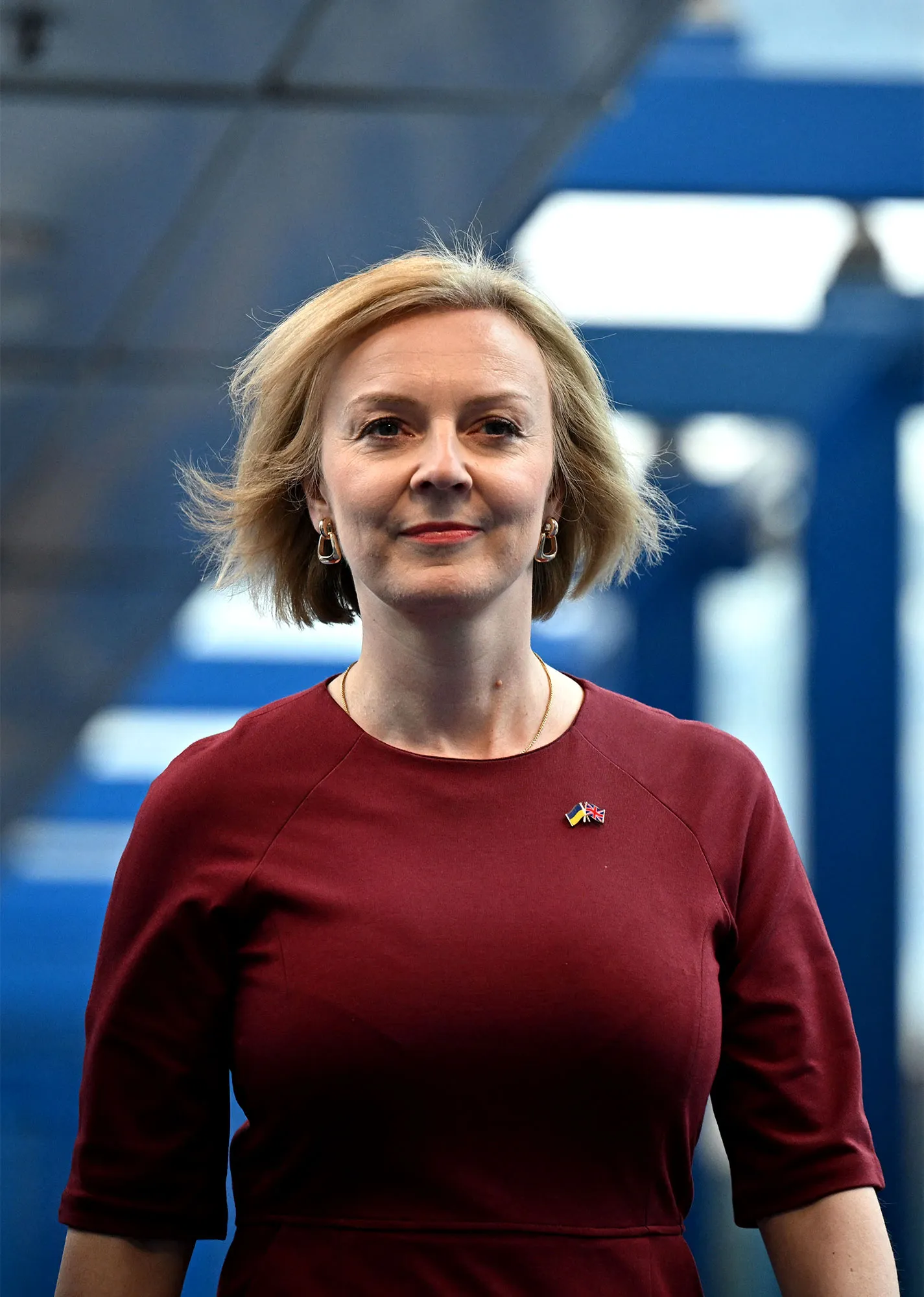
Liz Truss’s brief tenure as the Prime Minister of the United Kingdom marked a significant moment in British politics. Her appointment followed months of political turbulence, and the implications of her policies have resonated throughout the political landscape. Understanding her premiership’s nuances is crucial for comprehending the current direction of UK governance.
Political Landscape
Liz Truss became Prime Minister on September 6, 2022, succeeding Boris Johnson after a contentious leadership battle within the Conservative Party. Initially, Truss’s focus was on addressing the spiralling cost of living crisis, which had become a central concern for many citizens amid global economic challenges. She proposed a controversial plan featuring substantial tax cuts, which she argued would stimulate economic growth.
Key Events During Her Premiership
Truss’s government enacted the ‘mini-budget’, which proposed a series of unfunded tax cuts aimed at reversing national economic malaise. However, this plan met with substantial backlash from both the opposition and financial markets, resulting in a crisis of confidence in the government’s strategy. The pound dropped significantly against the dollar, and this economic instability prompted the Bank of England to intervene to stabilize the market.
Amid mounting pressure from within her party and widespread demonstrations from opposition groups, Truss was compelled to reverse some of her key policies, including the tax cuts for the wealthiest. This series of reversals highlighted the challenges she faced in governing amidst a divided and sceptical political environment.
Conclusion
Truss’s time in office lasted only 49 days, making her the shortest-serving Prime Minister in British history. Her resignation on October 20, 2022, has led to broader discussions about the future of the Conservative Party and the political stability in the UK. While Truss intended to usher in a new era of conservative economics, her legacy remains heavily scrutinised due to the swift upheaval that followed her policy implementations. Moving forward, the lessons learned from her premiership may profoundly influence government policy and party dynamics as the UK grapples with economic recovery and public trust in leadership.