Introduction
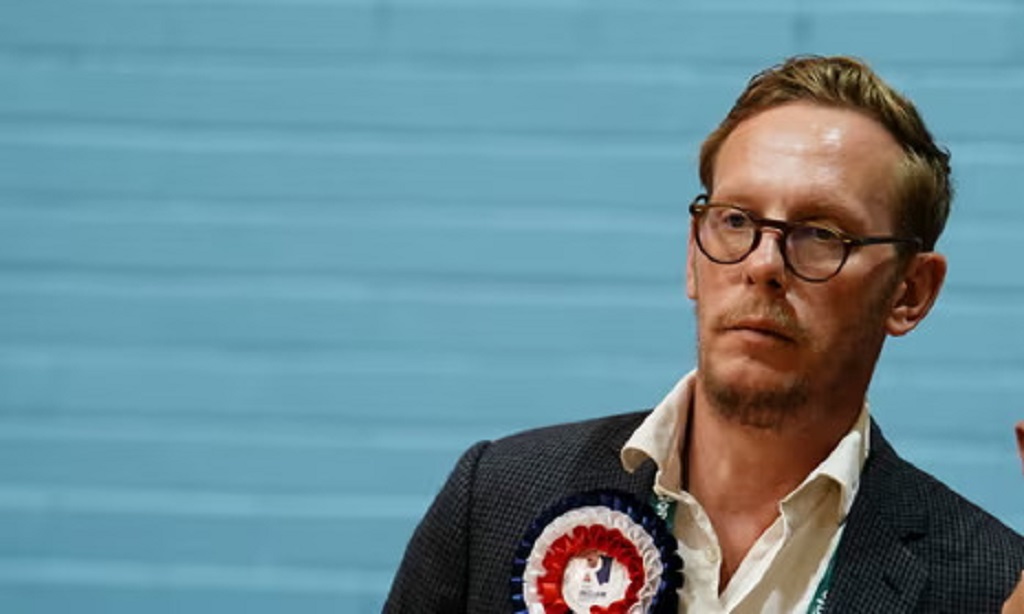
Laurence Fox, a British actor and political commentator, has recently gained considerable attention in the UK political landscape due to his outspoken views and participation in various controversies. His transition from acting to politics has ignited discussions about free speech, identity politics, and the role of celebrities in activism. With an increasing number of public appearances and statements, understanding Fox’s influence is crucial, especially in a politically charged environment.
Background on Laurence Fox
Born on May 26, 1978, Laurence Fox is known for his role in the BBC’s drama ‘Lewis’. After a successful acting career, he shifted his focus towards politics and social commentary, particularly after founding the political party Reclaim in 2020. The party aims to advocate for free speech and challenge what Fox calls a culture of political correctness. Despite having a relatively small following in terms of political infrastructure, Fox’s online presence has allowed him to reach a significant audience.
Controversies and Public Reactions
Fox’s statements have often been polarising. He has been vocal against lockdown measures during the COVID-19 pandemic and has initiated heated discussions on racial issues in the UK. For instance, his comments regarding a prominent figure’s response to racism sparked a heated backlash, leading to accusations of him downplaying systemic racism. Fox often defends his opinions by referencing personal experiences and asserts that he represents a segment of society that feels silenced by the mainstream narrative.
Moreover, his participation in media appearances and public debates has seen him labelled as both a champion of free speech and a provocateur. His actions have incited debates over whether celebrity involvement in politics is beneficial or detrimental to meaningful discourse.
Impact and Future Prospects
Laurence Fox’s emergence in the UK political arena presents both opportunities and challenges. As a figure straddling entertainment and politics, he appeals to a demographic that appreciates his candidness and willingness to confront controversial issues. However, his approach may alienate others who view his views as inflammatory or divisive.
In conclusion, the future of Laurence Fox in UK politics remains uncertain, but his influence is evident. As political discourse continues to evolve, Fox’s role as a disruptor may either solidify or diminish his standing. For readers, tracking his developments may provide insight into the shifting dynamics of celebrity political involvement and the ongoing conversation around free speech in society.