Introduction
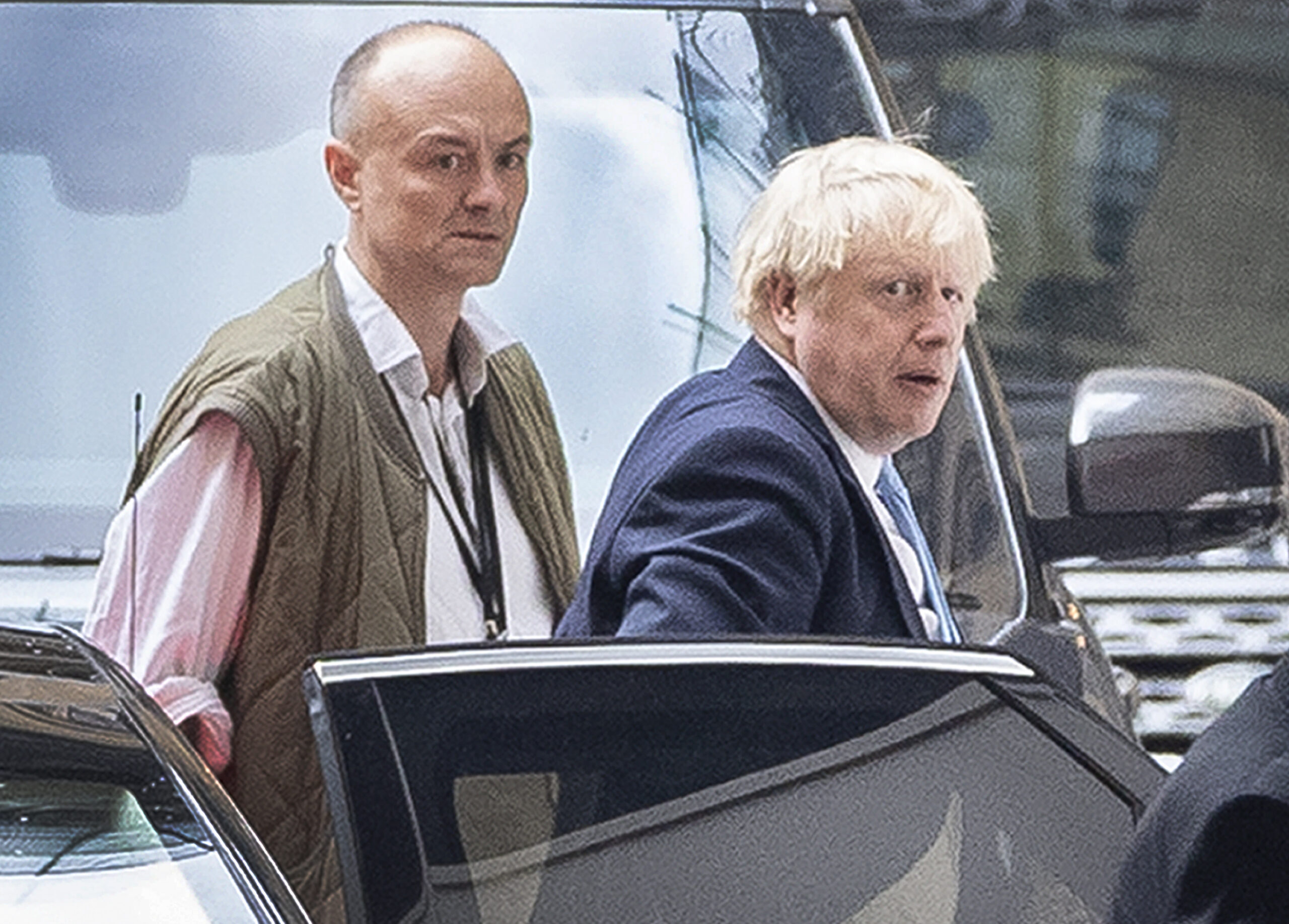
Dominic Cummings, former chief advisor to Prime Minister Boris Johnson, has been a prominent figure in British politics since his pivotal role in the 2016 Brexit campaign. His controversial strategies and unfiltered approach to governance have made him both a polarising and influential character. In recent months, Cummings has continued to impact political discourse, raising questions about his legacy and the future of UK politics.
Recent Developments
In September 2023, Cummings announced his return to political consultancy, underlining his continued relevance in shaping political narratives. His new firm aims to assist potential parliamentary candidates from both the Conservative and Labour parties, thereby influencing the upcoming general elections due in 2024. Speculation about his involvement has reignited discussions about the potential for political change and the role of tactical campaigning in achieving electoral success.
Moreover, Cummings has not shied away from critique, openly expressing his views on current government policies and strategy. His social media presence has remained significant, with many followers keen to hear his insights on emerging political issues. Recently, he has commented on the government’s handling of the economy and suggested ways it could better align with public sentiment, reflecting his ongoing engagement with key issues affecting the UK.
Public Perception and Influence
Cummings’s approach to politics has often been described as unconventional. Known for his strategic mind and often abrasive honesty, he has disrupted traditional political norms. However, his methods have also attracted criticism, particularly regarding transparency and ethical boundaries in political campaigning.
Public perception remains mixed; while some view him as a visionary strategist, others see him as emblematic of the divisiveness in modern politics. As the nation grapples with significant challenges such as the cost of living crisis and post-Brexit adjustments, Cummings’s theories and strategies may play a crucial role in shaping party ideologies and voter sentiments.
Conclusion
Dominic Cummings’s return to the political arena signals ongoing changes in UK politics. As the 2024 general elections approach, his influence could shift party dynamics and voter engagement strategies. Whether he will maintain his controversial relevance or evolve into a more conciliatory figure remains to be seen. For readers, understanding Cummings’s role is essential in comprehending the broader implications for UK governance and the future landscape of political campaigning.