Introduction
The practice of changing clocks for daylight saving time (DST) has been a longstanding topic of debate. In 2025, significant changes are anticipated in various regions, which could impact everything from energy consumption to public health. Understanding these changes is crucial for individuals and businesses alike as they prepare for potential shifts in timekeeping and routines.
Current Status of Daylight Saving Time
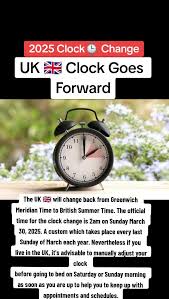
As of 2023, many countries, including the UK and those in the European Union, adjust their clocks twice a year—once in spring, when clocks move forward, and once in autumn, when they fall back. This system is intended to make better use of daylight during the longer days of summer. However, growing evidence suggests that the benefits of this system may no longer outweigh the drawbacks, prompting discussions around its future.
Proposed Changes for 2025
In response to concerns about health impacts, economic implications, and public preference, various legislative efforts are underway to abolish the biannual clock change. In 2022, the European Commission proposed ending the seasonal clock change, allowing members to choose between staying on summer or winter time permanently. While no definitive decisions have been made, significant movements towards legislative changes are expected by 2025.
In the UK, similar discussions are ongoing. A 2022 survey indicated that a significant majority of UK residents favour scrapping the clock change altogether. Lawmakers are considering the implications of such a decision, including impacts on businesses that rely on tourist patterns and those reliant on agriculture.
Implications of the Clock Change
The elimination of clock changes in 2025 could lead to various consequences. One potential advantage might be its impact on health, as studies suggest that the disruption caused by changing clocks can lead to sleep disorders and increased risk of heart attacks immediately following these transitions.
Economically, consistently maintaining a single time could improve productivity by reducing the confusion that often accompanies the clock change, especially for businesses operating internationally. Furthermore, it could enhance safety levels, particularly for communities that heavily rely on outdoor activities after dark.
Conclusion
As we approach 2025, the conversation surrounding the future of daylight saving time is likely to gain momentum. With voices from the public suggesting overwhelming support for change, it may soon become a reality that clocks are no longer adjusted twice yearly. For citizens and businesses alike, understanding these potential changes will be key to adapting to a new temporal landscape that might redefine daily routines and operational procedures. The implications reach far beyond just the clock, and society will need to brace itself for the possible transformation of the rhythm of everyday life.