Introduction
The twice-yearly clock changes are a topic of considerable discussion in the UK, affecting everything from sleep patterns to energy consumption. The return to standard time, when clocks go back, marks the end of British Summer Time (BST) and the beginning of Greenwich Mean Time (GMT). Understanding when and why this change occurs is essential for planning activities and knowing how it affects daily life.
When Do Clocks Go Back?
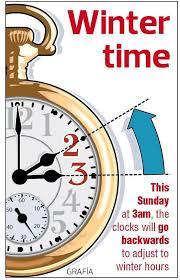
In 2023, clocks in the UK will go back one hour at 2:00 AM on Sunday, 29 October. This means that the official time will revert from BST to GMT, giving everyone an extra hour of sleep that night. The change back to standard time happens on the last Sunday in October each year, in accordance with EU regulations, which the UK followed until Brexit. While the UK is no longer bound by EU law, the country continues to observe this practice.
The Significance of the Change
The switch in time has several implications for daily life. One of the most evident changes is the shift in daylight availability. With the clocks going back, the mornings will be brighter, allowing for more daylight during early activities. However, evenings will become darker earlier, which can impact outdoor activities and social gatherings.
Energy conservation is another important aspect. The rationale behind Daylight Saving Time is to make better use of daylight during the longer days of summer, thereby potentially reducing energy consumption. However, studies show mixed results regarding overall energy savings. The change may cause some disruptions for people who often struggle with the adjustment in their sleep patterns.
Health Implications
Adjusting to the time change can affect individual health and productivity levels. Sleep experts recommend gradually adjusting sleep schedules in the days leading up to the clock change. Lack of sleep or abrupt time changes can lead to fatigue and reduced focus, which may affect work and personal life. There is also evidence to suggest a temporary spike in health incidents, such as heart attacks and accidents, shortly after the clocks change.
Conclusion
As the time change approaches, it serves as a reminder for individuals to adapt their routines accordingly. Understanding when clocks go back is more than a trivial fact; it impacts daily life, productivity, health, and individual well-being. So, as we prepare for the clock to revert on 29 October, it’s advisable to take a proactive approach to adjust our schedules ahead of time. The age-old debate over the necessity and impact of Daylight Saving Time continues, but for now, we embrace the change with the start of longer, brighter mornings.