Introduction to Time in the UK
Understanding the time in the UK is essential for various activities, from scheduling business meetings to planning travel. The UK has a complex system of time zones and daylight saving changes, which can affect both residents and visitors. With its rich history and vast geographical differences, time in the UK is not just a number, but a reflection of the country’s heritage.
Time Zones in the UK
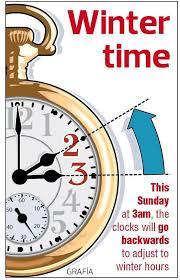
The United Kingdom operates under the Greenwich Mean Time (GMT) zone. This standard time is 0 hours offset from Coordinated Universal Time (UTC), which effectively makes it the starting point for time calculations globally. However, during the summer months, from the last Sunday in March to the last Sunday in October, the UK observes British Summer Time (BST), which is GMT+1. This means clocks move forward by one hour, allowing longer daylight hours in the evening.
Daylight Saving Time
The practice of daylight saving time was introduced in the UK during World War I as a way to conserve energy. Today, it is widely used not only in the UK but globally. Critics often debate its effectiveness, pointing to studies suggesting little impact on energy consumption, while supporters argue it promotes outdoor activities and reduces crime. The consistent shift in time also raises various issues including disrupted sleep patterns and confusion regarding scheduling.
Current Events and Resources
As of October 2023, discussions surrounding time regulations in the UK have intensified, particularly focusing on whether to abolish daylight saving time altogether. Various parliamentary committees are reviewing public opinions and scientific studies to assess if a permanent switch to one time zone could be more beneficial for the citizens. Resources like the UK Government’s official website and local news outlets provide updates and details about these changes.
Conclusion
As one of the oldest timekeeping conventions, the UK’s approach to time provides insight not only into geographic considerations but also cultural practices. Staying informed about time changes is crucial for effective planning and communication. Given the potential reforms on the horizon, citizens are encouraged to engage in discussions regarding the merits of retaining or abolishing daylight saving time to voice their opinions.