Introduction
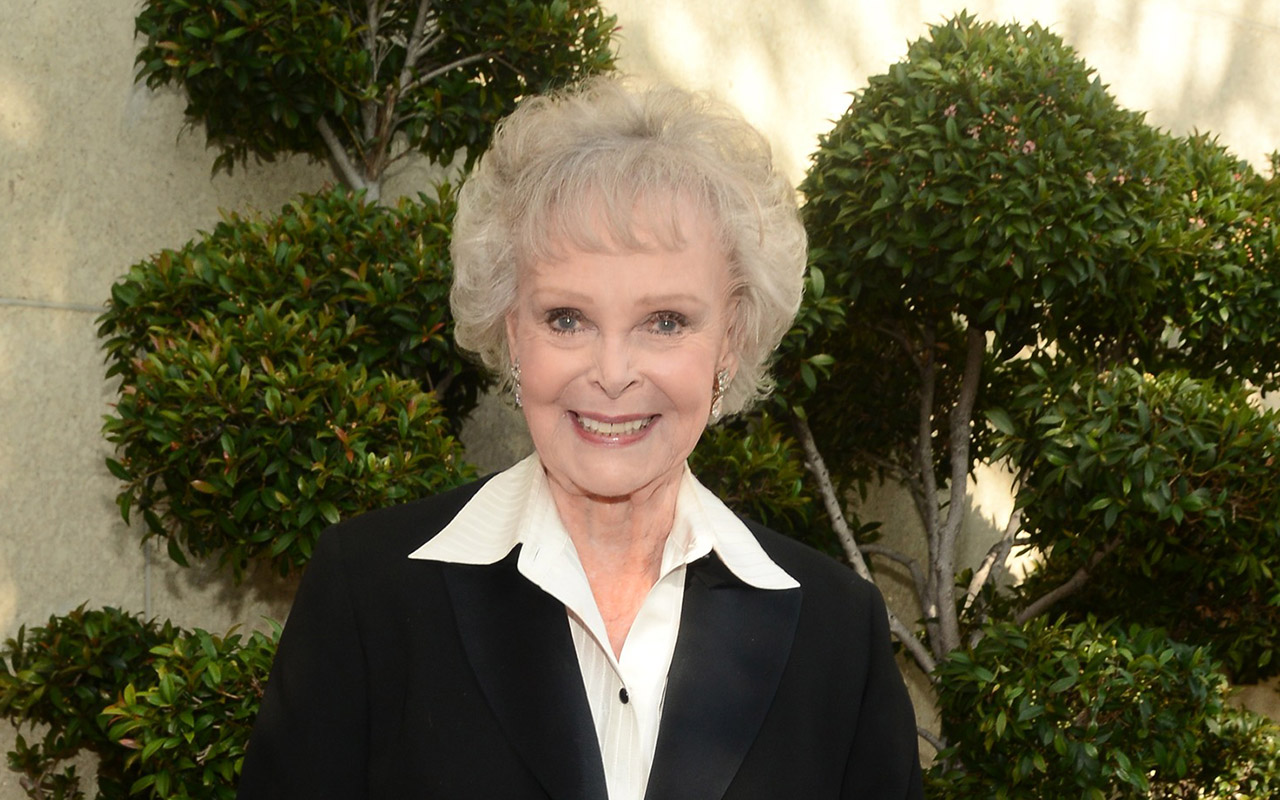
June Lockhart, a name synonymous with classic Hollywood, has captivated audiences for decades through her memorable performances in television and film. Renowned for her roles in iconic series such as Lost in Space and Lassie, Lockhart’s impact on the entertainment industry is significant, making her an interesting subject for both fans and historians of television. Her recent appearance and statements have reignited interest in her career and contributions during the golden age of television.
Early Life and Career
Born on June 25, 1925, in New York City, June Lockhart entered the world of entertainment at a very young age. The daughter of stage actors Gene Lockhart and Kathleen Lockhart, she was exposed to the arts from an early age. After a few roles on Broadway, her film debut came in 1941, and she quickly rose to prominence after appearing in the 1946 film Watch on the Rhine. However, it was her transition to television that would solidify her legacy.
Television Stardom
Lockhart’s most notable television role was as Maureen Robinson in the groundbreaking science fiction series Lost in Space, which aired from 1965 to 1968. The show became a cultural phenomenon and allowed her to showcase her versatility as an actress. Her character was a strong maternal figure, reflecting the changing norms of the 1960s. Prior to Lost in Space, she was well-known for her portrayal of Ruth Martin in Lassie. Both shows have left a lasting impression on their respective genres, and Lockhart’s performances remain a fond memory for many viewers.
Recent Activities and Legacy
As of 2023, June Lockhart is still actively engaged with fans and the entertainment industry. Her recent appearances at conventions and interviews have highlighted her enduring spirit and love for her craft. Lockhart embodies the timelessness of classic television, and her experiences provide valuable insights into the evolution of the medium. With the resurgence of interest in vintage shows, younger audiences are discovering her work, cementing her status as a beloved icon.
Conclusion
June Lockhart’s career reflects a pivotal period in the entertainment industry, bridging the gap between film and television. As audiences continue to seek comfort in nostalgic programming, her legacy is likely to endure. Through her performances, she has shown that strong, complex female characters can resonate deeply, ensuring her place in television history. As we celebrate her career, Lockhart reminds us of the power of storytelling and the enduring impact of the arts.