Introduction to Daylight Saving Time
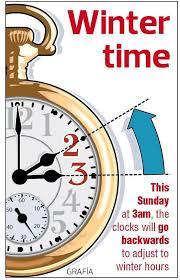
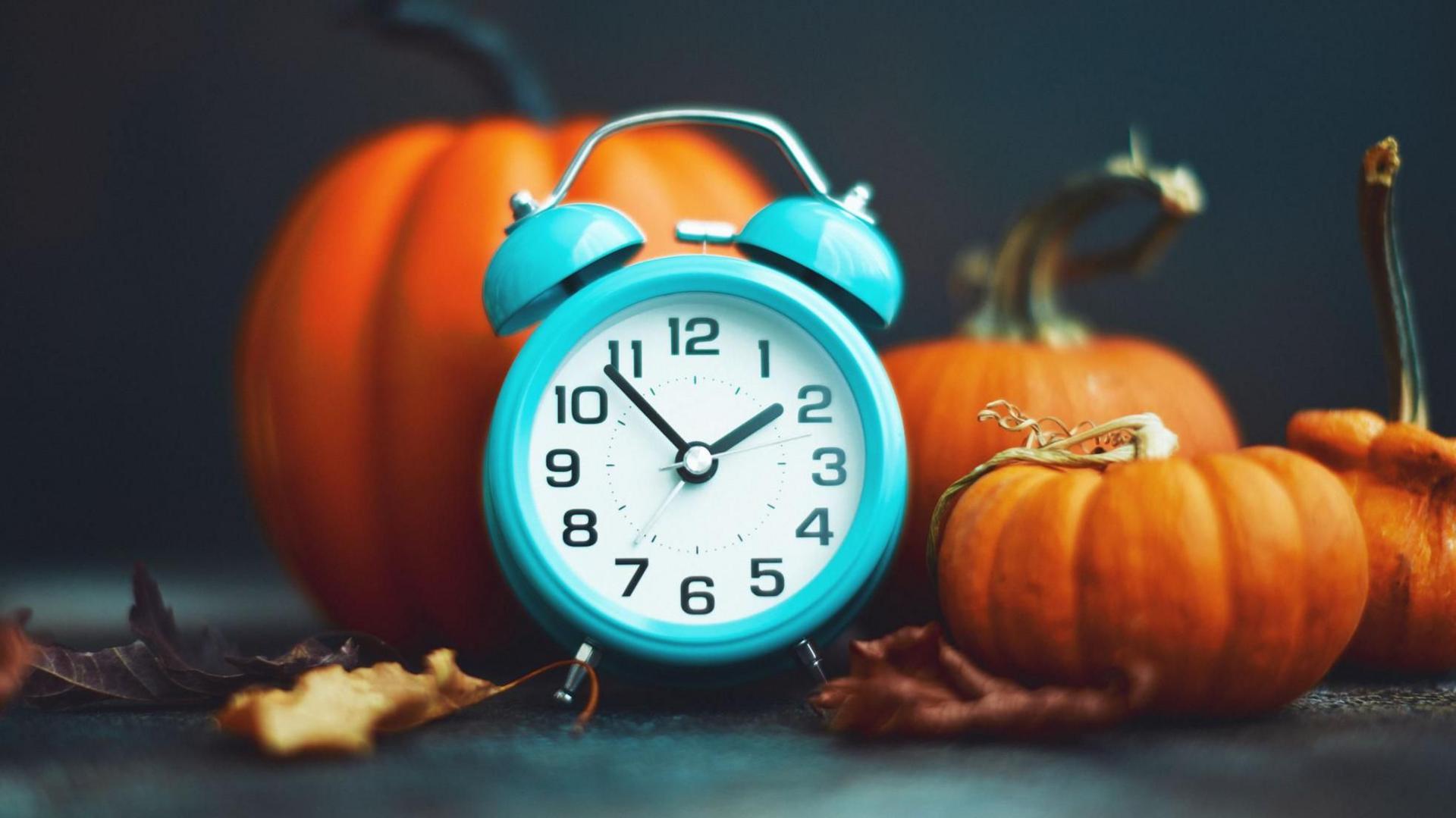
The tradition of changing the clocks operates as a biannual practice in the UK, marking the start and end of Daylight Saving Time. In October, clocks are set back one hour, indicating the end of British Summer Time (BST) and the onset of Greenwich Mean Time (GMT). This practice, observed every year, is significant not only for adjusting our schedules but also for its broader impacts on society and lifestyle.
The Importance of the Clocks Going Back
Every October, the clocks are turned back, which results in longer nights and shorter days. This transition often evokes mixed feelings among the public. On one hand, many welcome the extra hour of sleep that comes with the change, while on the other, the darker evenings can lead to feelings of low mood or seasonal affective disorder (SAD). The clocks going back aims to make better use of daylight during the winter months, promoting energy savings and safety by reducing reliance on artificial lighting in the evening.
Impact on Health and Daily Life
The shift in time does not come without its challenges. Research has shown that the transition can disrupt sleep patterns, leading to fatigue and decreased productivity. Experts suggest that individuals should gradually adjust their sleep schedules in the days leading up to the clocks changing to mitigate the negative effects. Additionally, this period marks an opportunity for people to rethink their routines and make adjustments that align with the seasonal changes.
The Future of Daylight Saving Time
With ongoing debates regarding the effectiveness and necessity of Daylight Saving Time, questions arise about its long-term future. A movement towards abolishing the clock changes has gained traction, particularly in light of studies suggesting minimal benefits in energy savings. In Europe, discussions have been prompted regarding a unified stance on whether to permanently remain in either BST or GMT, prompting citizens to share their opinions on social and political platforms.
Conclusion
As the clocks went back this year, the broader implications of this change continue to impact our daily lives. While many cherish the additional hour for rest and the allure of cosy winter evenings, it also brings attention to the challenges of adjusting to the darker months. As society evaluates the relevance of Daylight Saving Time amidst technological advancements and changing lifestyles, it remains essential for individuals to adapt while acknowledging the significance of these temporal shifts. The transition offers not just a reminder of seasonal change, but also an opportunity to reflect on the rhythms of our lives.