Introduction
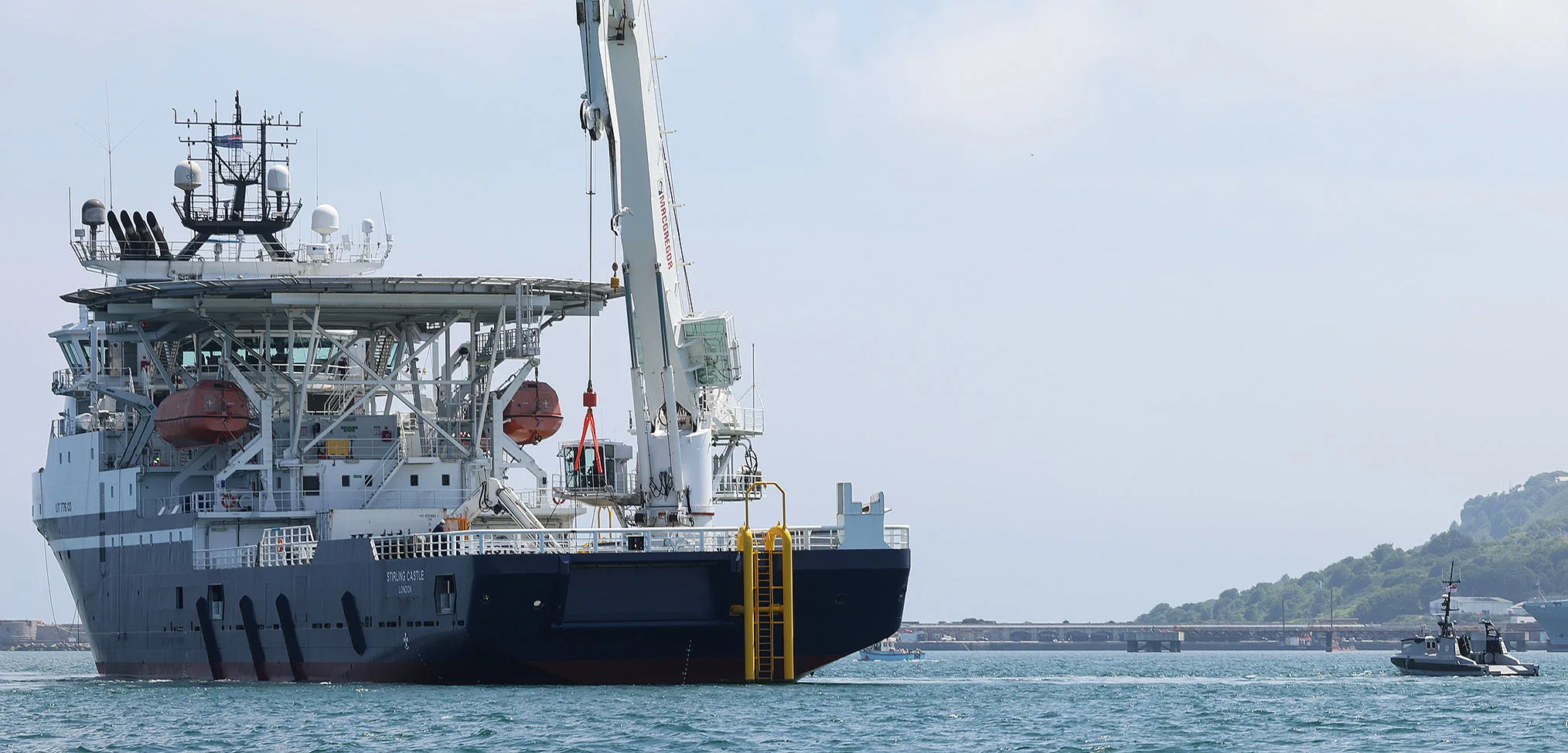
HMS Stirling Castle is one of the prominent ships in the Royal Navy, reflecting Britain’s naval heritage and its ongoing commitment to global maritime security. As a Type 23 frigate, Stirling Castle plays a crucial role in the Navy’s operations, enabling both deterrent capabilities and humanitarian missions. Understanding its significance gives us insights into Britain’s naval strategy and its relevance to current international relations.
About HMS Stirling Castle
Commissioned in 1994, HMS Stirling Castle is one of the 13 Type 23 frigates that form the backbone of the Royal Navy. Originally designed for anti-submarine warfare, this vessel has since evolved, incorporating advanced technologies allowing for versatility in various missions, including anti-air and surface combat operations. Equipped with the latest radar and weaponry systems, such as the Sea Wolf missile system, HMS Stirling Castle remains a key asset for NATO and other allied forces.
Recent Activities
In recent months, HMS Stirling Castle has participated in various exercises and operations, underscoring the Royal Navy’s preparedness amid shifting geopolitical landscapes. In a notable exercise in September 2023, the ship joined other vessels in a multinational task force drill in the North Atlantic aimed at improving interoperability between NATO allies. These activities not only enhance operational readiness but also reinforce alliances in an era marked by rising tensions and emerging threats.
The Importance of HMS Stirling Castle
The presence of HMS Stirling Castle in international waters serves as a deterrent against potential aggressors while also ensuring maritime security in vital shipping lanes. Its missions include anti-piracy operations and disaster relief, showcasing the dual role of military vessels in maintaining peace and providing humanitarian aid. This balance of power projection and support is vital in promoting stability, particularly in regions prone to conflict.
Conclusion
As HMS Stirling Castle continues to fulfil its role in the Royal Navy, the ship stands as a testament to Britain’s naval capabilities and commitment to global maritime security. In a world facing complex challenges, understanding and supporting the operations of vessels like HMS Stirling Castle is essential. Future forecasts suggest that as geopolitical tensions increase, the Royal Navy’s presence, embodied by ships such as Stirling Castle, will remain crucial in navigating the intricate landscape of international relations.



