Introduction
The search for extraterrestrial life has long captivated humanity’s imagination, with Mars frequently at the forefront of scientific inquiry. The Red Planet, with its similarities to Earth and signs of past water, raises critical questions about the potential for life beyond our planet. As exploration missions intensify, understanding the significance of discovering life on Mars has become increasingly relevant, impacting science, technology, and our understanding of our own existence.
Current Research and Findings
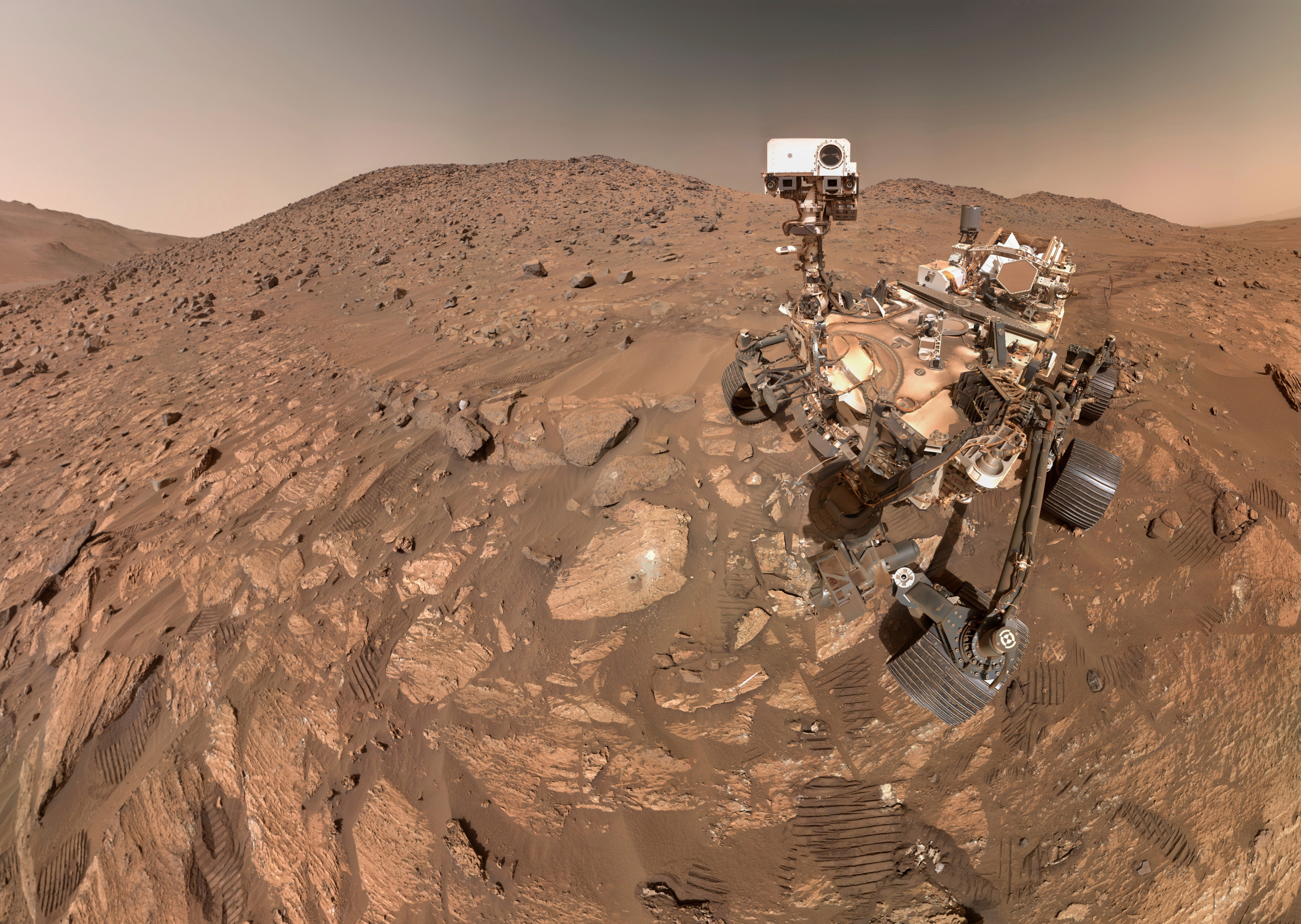
Recent missions, including NASA’s Perseverance rover and China’s Tianwen-1, have yielded intriguing findings that bolster the possibility of life on Mars. In 2021, Perseverance landed in Jezero Crater, an ancient lakebed, where scientists believe microbial life could have existed billions of years ago. The rover is equipped with sophisticated tools to search for signs of past life, including organic molecules and fossils.
Furthermore, the detection of seasonal methane spikes in Mars’ atmosphere adds another layer of intrigue. Methane is often a byproduct of biological activity, suggesting that microbial processes may still occur beneath the Martian surface. Several studies, including those conducted by the Curiosity rover, have identified varying levels of methane, heightening interest in Mars’ ability to support life.
The Role of Future Missions
The future of Mars exploration is filled with potential, with missions such as the Mars Sample Return mission expected to advance our understanding significantly. Scheduled for the late 2020s, this collaboration between NASA and the European Space Agency aims to bring Martian samples back to Earth for detailed analysis. These samples could provide definitive evidence regarding the planet’s habitability and any traces of life.
Additionally, the establishment of human presence on Mars is being discussed in plans by organisations such as SpaceX, which envisions sending humans to the Red Planet in the next decade. Such developments could facilitate in-depth studies and foster a more profound understanding of the planet’s geology, climate, and possible biological activity.
Conclusion
The prospect of life on Mars is one of the most thrilling and scientifically significant topics of our time. As we await the results of current and future missions, the implications of finding life beyond Earth are profound, raising questions about the origins of life, Earth’s uniqueness, and our role in the cosmos. The continued exploration and research into Mars not only ignite public curiosity but also foster advancements in technology and inspire generations to look beyond our planet. With every discovery, we draw closer to answering one of humanity’s oldest questions: are we alone in the universe?