Introduction
Solar storms and the beautiful phenomenon of aurora borealis, commonly known as the northern lights, are closely linked. Understanding this connection is crucial as both natural events have significant implications not only for Earth’s satellite systems but also for our daily lives. Recently, scientists have noticed an uptick in solar storm activity, necessitating heightened awareness of its potential impacts on our planet.
What are Solar Storms?
Solar storms are disturbances on the Sun that occur due to a sudden release of energy and can manifest as solar flares and coronal mass ejections (CMEs). These events send charged particles hurtling towards Earth at frightening speeds. While the Sun consistently emits solar wind, during higher activity phases—such as those observed during the solar cycle—these storms can intensify, leading to extreme conditions in space. The current solar cycle is showing signs of increased activity, with forecasts indicating a peak expected within the next few years.
The Aurora Borealis Phenomenon
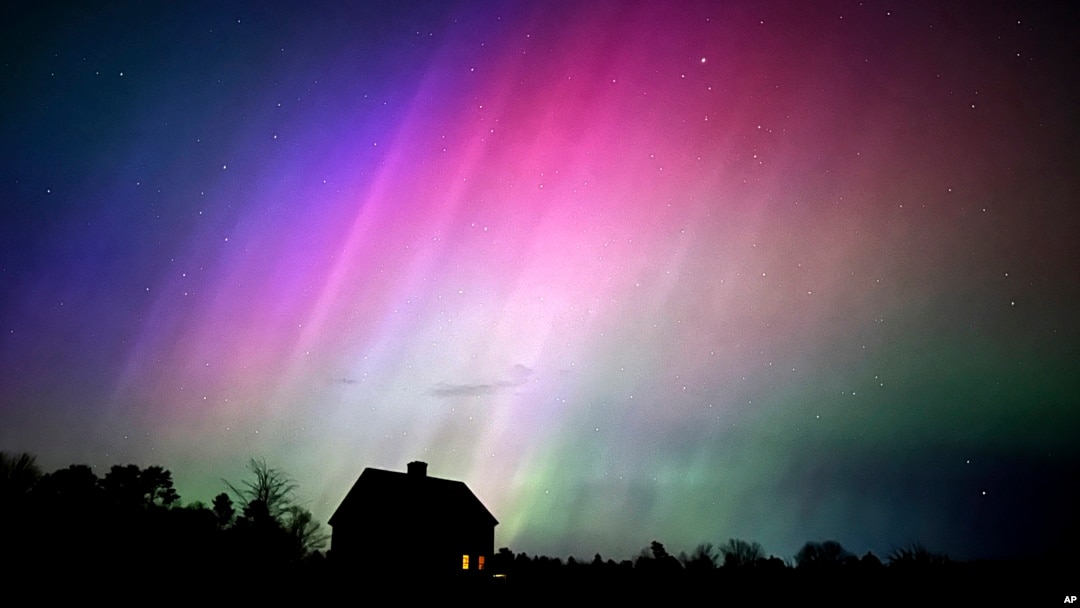
The aurora borealis is a fascinating natural light display predominantly seen in high-latitude regions around the Arctic. This light show is a direct result of solar storm activity interacting with the Earth’s magnetic field. When charged particles from a solar storm collide with gases in the Earth’s atmosphere, they produce stunning illuminations of green, pink, and purple hues that dance across the night sky. The heightened solar activity can lead to more intense and widespread auroras, allowing viewers in more southern locations to witness this breathtaking phenomenon.
Recent Events and Observations
In recent weeks, scientists have recorded multiple solar storms, resulting in vibrant displays of the aurora borealis across various regions, including parts of the UK and the continental US. The storms have been attributed to a particularly active period of the solar cycle, which is expected to continue. The latest storms created enough geomagnetic disturbances to allow many to see the northern lights further south than usual, bringing excitement and curiosity among both residents and tourists.
Conclusion
With the current solar cycle showing increased activity levels, the relationship between solar storms and the aurora borealis becomes increasingly significant for both scientific study and public interest. As solar storms continue to occur, we can expect more frequent and far-reaching displays of the northern lights. This serves as a reminder of the dynamic nature of our Sun and its direct impact on life on Earth. Scientists will continue to monitor and forecast solar activity, providing important information on how to prepare for the possible effects of solar storms on technology and infrastructure, whilst also inviting people to appreciate the beauty of the auroras.