Introduction
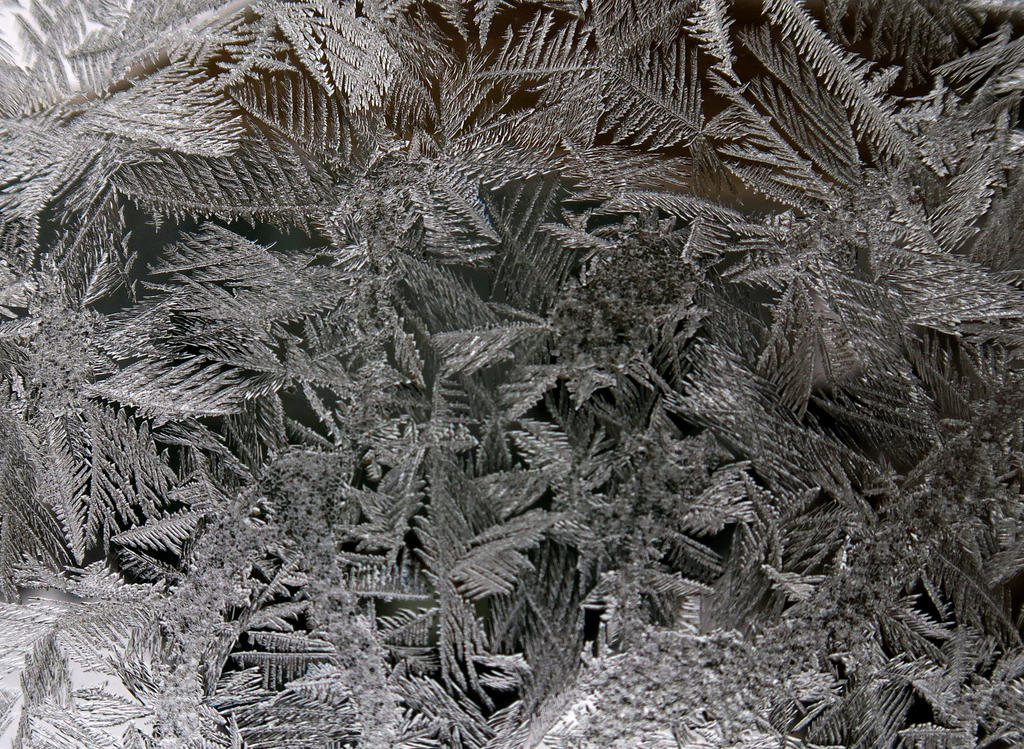
Ice, a solid form of water, plays a significant role in various natural and human-made processes. It is not only crucial for maintaining the Earth’s climate but also contributes to our daily lives in numerous ways. Understanding what ice is and its properties can help us appreciate its importance in both environmental and societal contexts.
Properties of Ice
Ice is formed when water freezes at 0 degrees Celsius (32 degrees Fahrenheit) under standard atmospheric pressure. The unique structure of ice, which is less dense than liquid water, enables it to float, creating a crucial habitat for various aquatic life forms. Ice also has distinctive thermal properties, acting as an insulator, which affects climate patterns.
Ice in Nature
In nature, ice manifests in various forms, including glaciers, ice sheets, and sea ice. These ice formations are essential indicators of climate change. For instance, the melting of Arctic ice due to rising global temperatures poses significant threats to marine ecosystems and contributes to rising sea levels. The observed reduction in ice cover has led to urgent discussions among scientists and policymakers about environmental protections and climate action.
Human Uses of Ice
On a more practical level, ice is used extensively across various industries. In food preservation, ice maintains the freshness and safety of perishable goods during transport and storage. The healthcare sector also employs ice for therapeutic purposes, such as reducing swelling in injuries. In recreational activities, ice provides opportunities for sports like skating and hockey during winter months.
Conclusion
The study of ice is crucial in understanding climate patterns, preserving ecosystems, and enabling human activities. As global temperatures rise, the status of ice on Earth becomes increasingly significant. While ice acts as a symbol of beauty and tranquility in winter, it represents the pressing reality of climate change. Recognising its value is crucial for the stewardship of our planet and developing strategies that address the challenges that come with a changing global climate.