Introduction
The leopard shark, an iconic species found along the Pacific coast of North America, has garnered attention not only for its striking appearance but also for its unique reproductive habits. Understanding the mating practices of leopard sharks is vital to conservation efforts and maintaining the balance of marine ecosystems. These sharks play a significant role in their environment, and their mating behaviours can have implications for species population dynamics and health.
Mating Season and Behaviour
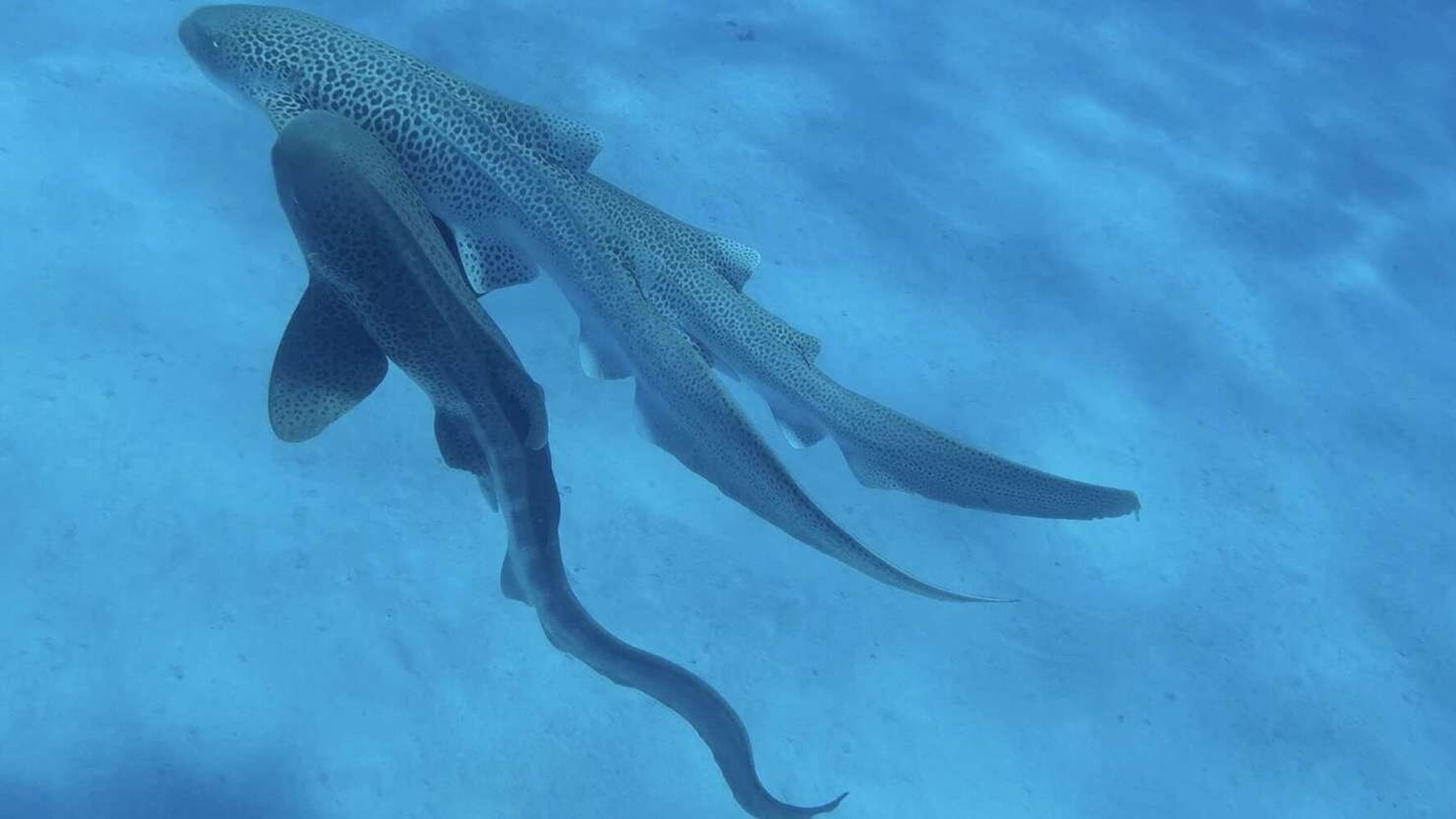
Leopard sharks (Triakis semifasciata) are observed to mate primarily during the warmer months. From late spring to early autumn, their mating rituals become more noticeable, particularly in shallow waters around estuaries and coastlines. Males often engage in elaborate courtship displays, which may include chasing females and gentle nipping, as they establish pair bonds. This behaviour is not only a means of attraction but also a way for males to demonstrate their fitness to potential mates.
Reproductive Strategies
Unlike many fish species, leopard sharks are ovoviviparous, meaning that the female gives birth to live young rather than laying eggs. After a gestation period of approximately 10 to 12 months, females can give birth to up to 36 pups, depending on their size and health. The pups are usually around 30 to 40 cm long at birth and are relatively independent, instinctively swimming away to seek cover in the shallow vegetated waters where they will start their lives.
Environmental Influences
The mating success of leopard sharks can be influenced by various environmental factors, including water temperature, salinity, and habitat quality. Ocean currents and water clarity may also affect their spawning grounds. Particularly during periods of climate change or human-induced habitat degradation, understanding these relationships becomes even more critical for effective conservation strategies.
Conclusion
Leopard sharks are not only fascinating creatures due to their patterns and behaviours but also serve as indicators of the health of marine ecosystems. As researchers continue to study the mating practices of leopard sharks, they gather essential data that could inform future conservation efforts. It is crucial for coastal communities and policymakers to consider the implications of environmental change and human impact on these delicate processes. Protecting leopard sharks and their habitats ensures that these natural wonders continue to thrive, ultimately benefiting the broader marine environment.