Introduction to Winston Churchill
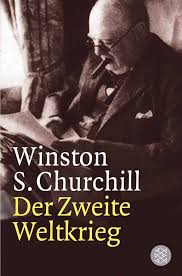
Winston Churchill remains one of the most significant figures in British history, well-known for his leadership during World War II, eloquent speeches, and unwavering resolve. His actions during a time of global crisis not only shaped the fate of Britain but had lasting impacts on the world order.
Early Life and Political Career
Winston Leonard Spencer Churchill was born on November 30, 1874, into an aristocratic family. Educated at the Royal Military Academy Sandhurst, he began his career as a soldier and war correspondent, which laid the groundwork for his future political career. Churchill entered the British Parliament in 1900, where he would have a tumultuous yet significant influence over various governments.
Leadership during World War II
Churchill’s most defining moments came during World War II, when he served as the Prime Minister from 1940 to 1945. Faced with the Nazi threat, Churchill’s speeches rallied a nation, instilling courage during some of Britain’s darkest hours. His resolute stance against Hitler, encapsulated in rallies and broadcasts, cemented his image as a steadfast leader. His famous quote, “We shall fight on the beaches,” reassured the British people and encapsulated his leadership style of resilience and determination.
Post-War Influence and Legacy
After the war, Churchill’s influence continued as he championed international cooperation and warned against the dangers of communism, famously coining the term ‘Iron Curtain’ to describe the division between the West and the Soviet Union. His contributions to the establishment of NATO and his advocacy for a united Europe reflect his vision for a stable post-war world.
Conclusion: The Lasting Impact of Churchill
Winston Churchill passed away on January 24, 1965, but his legacy endures. His ability to inspire and lead during tumultuous times has made him a figure of study and admiration. Today, Churchill is remembered not just for his political achievements but also for his literary contributions and his influence on modern politics. As contemporary leaders grapple with crises, Churchill’s strategies and rhetoric offer enduring lessons in leadership and resolve. His life serves as a reminder of the power of words and leadership in history.