Introduction
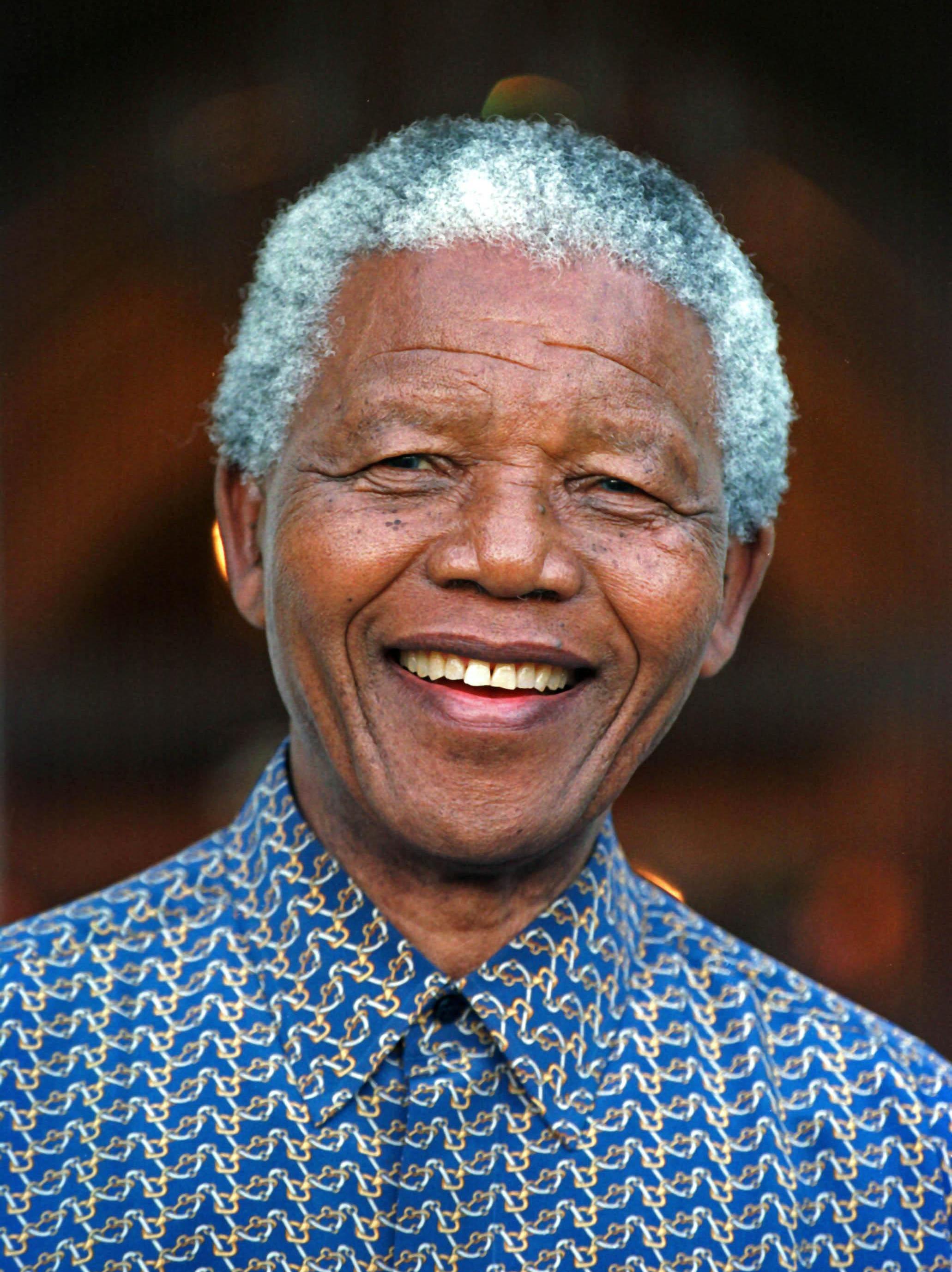
Nelson Mandela, the iconic leader of the anti-apartheid movement in South Africa, is celebrated not only for his fight against racial oppression but also for his role in promoting peace, reconciliation, and social justice. Mandela’s life and legacy continue to resonate globally, making him an essential figure in discussions about human rights and equality. His contributions remain relevant today, inspiring new generations to strive for justice in their communities.
Key Events in Mandela’s Life
Born on July 18, 1918, in the Eastern Cape of South Africa, Mandela became involved in political activism in the 1940s. He joined the African National Congress (ANC) in 1943, where he began to organise resistance against apartheid policies. His activism led to numerous arrests, culminating in a life sentence in 1962 for conspiracy to overthrow the state. During his 27 years in prison, Mandela became a symbol of resilience against tyranny.
Following international campaigns for his release, Mandela was freed in 1990. His return marked a transformative moment for South Africa as the country began to dismantle its apartheid system. Mandela played a crucial role in negotiations that led to the first multiracial elections in 1994, making him South Africa’s first black president. His leadership focused on reconciliation, leading initiatives to bridge divides within a fractured society.
The Global Influence of Mandela
Mandela’s impact extends far beyond South Africa’s borders. He became a revered global figure for his commitment to human rights, earning accolades such as the Nobel Peace Prize in 1993 alongside then-South African President F.W. de Klerk. His advocacy for peace, education, and combating HIV and AIDS further solidified his status as a humanitarian leader on the world stage.
Moreover, Mandela’s principles of forgiveness and his emphasis on dialogue have been referenced in various international peace processes, setting a precedent for conflict resolution across diverse contexts.
Conclusion
Nelson Mandela’s legacy is one of remarkable resilience and unwavering commitment to justice. As we reflect on his life, it is vital to acknowledge the ongoing struggles for equality and human rights across the globe. Mandela’s life serves as a reminder that the fight for justice is a continuous journey. His teachings encourage individuals to promote understanding and advocate for positive change in their communities, ensuring that his legacy lives on as a beacon of hope and inspiration.