Introduction
As Saudi Arabia embarks on its Vision 2030 initiative, two cities have emerged as pivotal players in its ambitious development plans: Neom and Al-Riyadh. Neom, a planned cross-border city aiming to integrate advanced technologies and sustainable living, contrasts sharply with Al-Riyadh, the country’s historic capital, which is undergoing significant urban transformation. Understanding the progress and potential of these two cities is vital for comprehending the future landscape of Saudi Arabia.
Neom: The Futuristic Vision
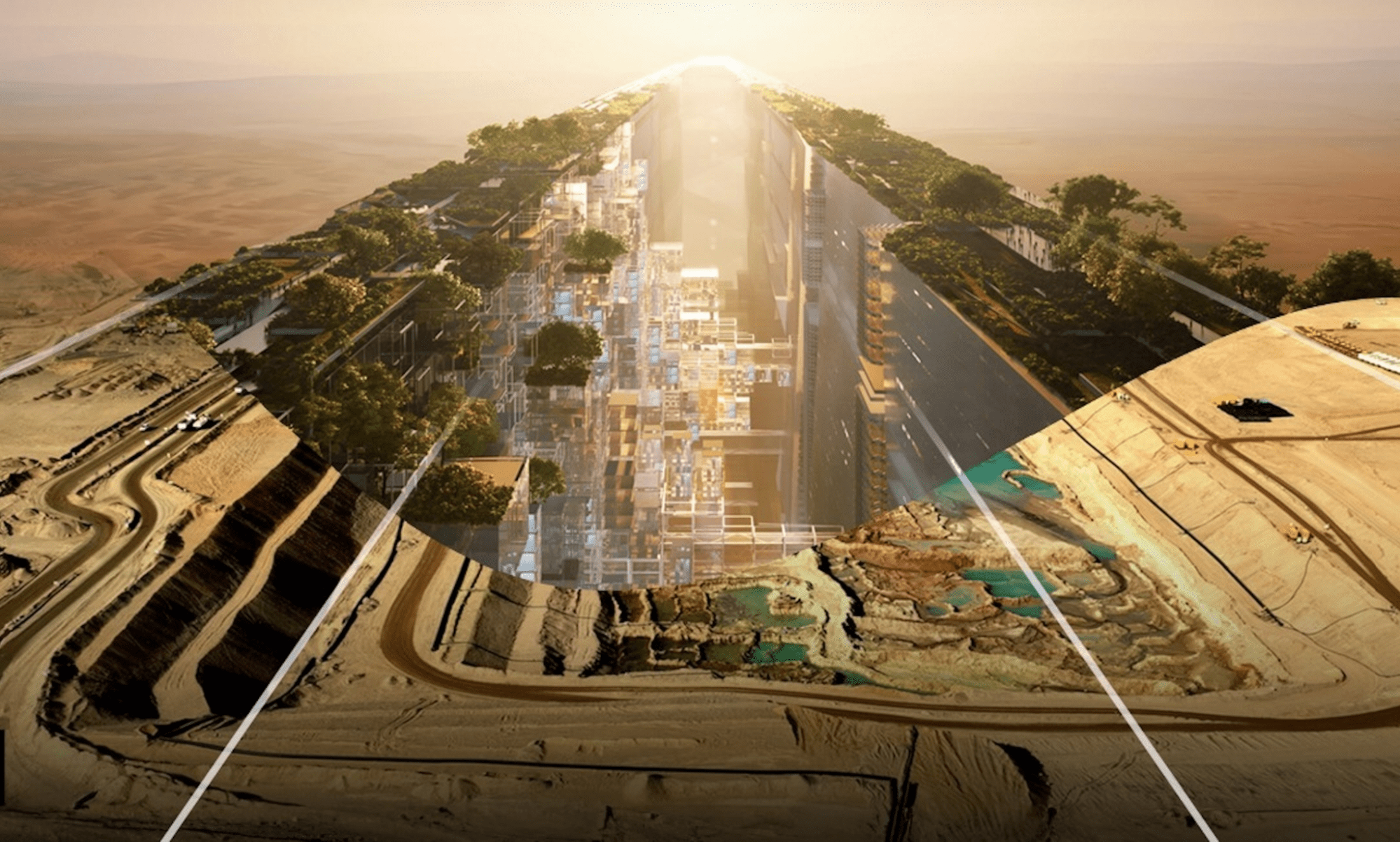
Neom, located in the Tabuk Province along the Red Sea coastline, is designed to be a hub for innovation and a leader in sustainability. Launched in 2017, the project has an estimated budget of $500 billion and encompasses an area of 26,500 square kilometres. One of its central features is “THE LINE,” a linear city designed to house nine million residents while maintaining a car-free environment. With planned zero-emissions transportation and AI-driven services, Neom aims to set new standards for urban living. Recent reports indicate that construction is progressing, with initial phases expected to be completed by 2025.
Al-Riyadh: The Evolving Capital
Al-Riyadh, the capital city of Saudi Arabia, is experiencing a significant transformation under its own ambitious development plans, including the Riyadh Development Authority initiatives. With a population nearing eight million, the city is focusing on modernising infrastructure and enhancing urban spaces. The Riyadh Metro, a major public transport system, is set to open fully in 2024, promising to ease congestion and improve commuter experience. Additionally, various cultural, entertainment, and business projects under the Riyadh Strategy aim to attract both local and international investment.
Comparing Progress and Ambitions
While Neom is being built from the ground up with an emphasis on futuristic living, Al-Riyadh is evolving from its existing foundations. Neom represents the future vision of Saudi infrastructure, while Al-Riyadh seeks to bridge tradition and modernity. Both developments aim to diversify the economy and reduce reliance on oil, aligning with the objectives of Vision 2030.
Conclusion
The developments in Neom and Al-Riyadh signal an era of change for Saudi Arabia. While Neom sets the stage for what urban living could look like in the future, Al-Riyadh is revitalising its historical significance with contemporary innovations. As both projects progress, they will undoubtedly play crucial roles in not only shaping the country’s landscape but also redefining its position on the global stage. Stakeholders and citizens alike will watch closely, as the outcomes of these ambitious initiatives are expected to influence regional growth and investment patterns for years to come.