Introduction
The years encompassing Generation Z, commonly known as Gen Z, refer to individuals born from the mid-to-late 1990s through the early 2010s. As the first generation to grow up with easy access to digital technology and the internet, Gen Z has a unique perspective that significantly shapes our society today. Understanding the characteristics and experiences of Gen Z is crucial for educators, marketers, and policymakers looking to engage and support this cohort effectively.
Defining Gen Z
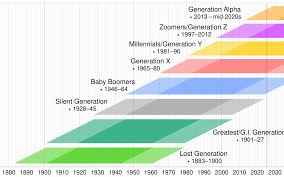
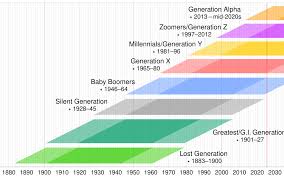
Researchers typically label those born between 1997 and 2012 as part of Gen Z. This generation follows the Millennial cohort and is distinct in its attitudes towards technology, communication, and social issues. Unlike previous generations, Gen Z has never experienced a world without the internet and social media, leading to different social dynamics and approaches to learning and engagement.
Characteristics of Gen Z
Several defining traits characterize Gen Z, shaping their identity and interactions:
- Digital Natives: Growing up in a world dominated by technology, Gen Z is adept at using multiple devices and platforms. Their comfort with technology shapes their learning and communication habits.
- Socially Conscious: This generation is highly aware of social issues, including climate change, racial equity, and mental health. Gen Z often aligns their values with brands that demonstrate social responsibility.
- Diverse and Inclusive: Gen Z is one of the most diverse generations, with a strong emphasis on inclusion and acceptance. This diversity influences their interactions and the workforce.
- Entrepreneurial Spirit: Many Gen Z individuals exhibit an entrepreneurial mindset, valuing innovation and self-sufficiency. They often seek meaningful work that aligns with their personal values.
Current Events Affecting Gen Z
As of 2023, Gen Z faces numerous challenges and opportunities stemming from global events. The COVID-19 pandemic has significantly affected their education and job market entry, leading to broader discussions about mental health services and remote work opportunities. Additionally, ongoing movements such as climate activism and social justice play a vital role in shaping Gen Z priorities and actions.
Conclusion
Understanding Gen Z years is essential for shaping a future that resonates with young people. Their values and experiences will influence technology, workplace culture, and societal norms for years to come. As the oldest members of this generation enter adulthood, their impact on education, politics, and consumer behaviour will only grow. It is vital for society to engage with and support Gen Z, to build a world that reflects their insights and aspirations.