Introduction
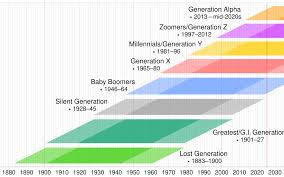
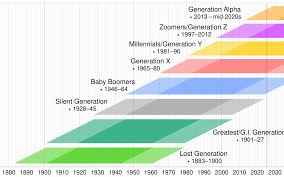
Generation X, often defined as individuals born between 1965 and 1980, occupies a unique position in the generational hierarchy. As society undergoes rapid changes shaped by technology, economy, and culture, understanding this demographic is crucial. With a population spanning diverse backgrounds and experiences, Gen Xers are now becoming influential in various sectors, including the workforce, media, and politics.
The Profile of Generation X
Gen Xers are characterised by their adaptability and resilience, having grown up during significant economic shifts, including the recession of the early 1980s, the rise of the internet, and the increase of dual-income families. They are often seen as pragmatic and self-reliant, sometimes described as the “forgotten generation,” overshadowed by the larger Baby Boomer and Millennial cohorts. Recent surveys by Pew Research Centre highlighted that approximately 65% of Gen Xers believe they have been instrumental in navigating the transition to a digital economy.
Current Challenges and Contributions
As they now enter their mid-life careers, Gen Xers face unique challenges. Many are balancing the responsibilities of caring for aging parents while also supporting their own children—a phenomenon dubbed the “Sandwich Generation.” This dual pressure has been exacerbated by the Covid-19 pandemic, which forced many to reconsider work-life balance and career choices. In terms of contributions, Gen Xers bring a wealth of experience to the job market, known for their commitment to workplace diversity and technological integration. Their ability to merge traditional methods with modern innovations has made them invaluable across various industries.
The Future of Generation X
Looking ahead, Gen X will likely play a pivotal role in shaping the future. Their experiences during economic downturns provide valuable lessons for younger generations. As more Gen Xers ascend to leadership positions, their influence on policy-making and corporate strategy is expected to grow. They are also increasingly seen as leaders in advocacy for environmental sustainability and social issues, reflecting a shift in responsibilities toward community-oriented values.
Conclusion
In conclusion, Generation X represents a vital link between the older and younger generations. Their unique perspective and experiences will continue to shape societal norms, workplace culture, and global conversations in the years to come. Understanding these dynamics is essential for both businesses and policymakers, as the implications of Gen X’s contributions will resonate well into the future.