Introduction to Gen Z
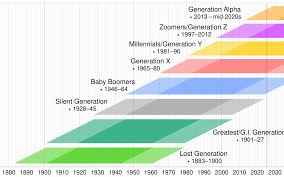
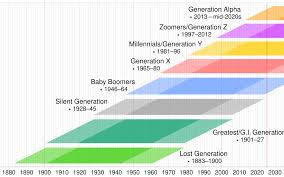
Generation Z (Gen Z) refers to individuals born roughly between 1997 and 2012, making them currently between 11 and 26 years old. This generation is growing up in a world vastly different from their predecessors, heavily influenced by technology, social media, and global events. Understanding the Gen Z years is essential as they represent the future of the workforce and societal transformation.
Characteristics of Gen Z
Gen Z is often recognised for their tech-savviness, having been exposed to digital devices from a young age. Over 95% of Gen Z has access to a smartphone, according to a study by Pew Research Center. They are adept at navigating various digital platforms and use social media not just for entertainment, but also for activism and information dissemination.
Societal Influence and Attitudes
This generation is also characterised by their progressive views on social issues. They are more likely to advocate for equality, climate change, and mental health awareness. A survey from McKinsey & Company reveals that nearly 50% of Gen Z prioritise working for companies that share their values, particularly regarding environmental and social governance.
Challenges Faced by Gen Z
However, the Gen Z years are also marked by significant challenges. The COVID-19 pandemic has profoundly affected their educational and career trajectories. With many faced with remote learning and job uncertainties, studies have shown increased levels of anxiety and stress among this age group. According to a report from the American Psychological Association, Gen Z is the most stressed generation, often citing their financial future and job prospects as primary concerns.
Conclusion and Future Outlook
As Generation Z continues to mature, their experiences and views will shape societal norms and workplace dynamics. The skills they acquire in these formative years will be crucial for their future roles as leaders. Employers and educators must adapt to better support Gen Z, focusing on mental health resources, flexible working conditions, and opportunities for growth.
In conclusion, the Gen Z years hold significant implications for the future, highlighting the importance of understanding their unique characteristics, challenges, and aspirations. As they step into adulthood, their influence on society is expected to be profound, making it imperative for all of us to engage with and support the leaders of tomorrow.