Introduction
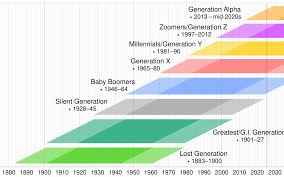
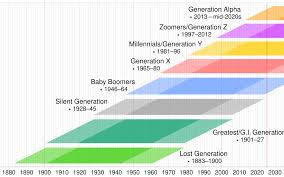
Generation Z, often referred to as Gen Z, encompasses individuals born from the late 1990s to the early 2010s. As the first generation to grow up with smartphones and social media, Gen Z is markedly different from its predecessors, Millennials and Gen X. Understanding Gen Z is crucial, not only for marketers and employers aiming to connect with this demographic, but also for educators and society as a whole, striving to create environments conducive to their growth and development.
Key Characteristics of Gen Z
Gen Z is known for its digital nativity, with technology being an integral part of their daily lives. According to a 2023 study by the Pew Research Center, approximately 95% of this generation has access to a smartphone. This constant connectivity has shaped their communication styles, preferences, and influences. Moreover, Gen Z is typically characterised by a strong sense of social responsibility and a desire for authentic connections.
Another noteworthy trait is their pragmatic approach towards education and work. Many Gen Z members prioritise financial stability and personal fulfillment over traditional markers of success such as a college degree. Data from the National Center for Education Statistics shows that about 40% of Gen Z students are considering alternative education paths, including vocational training and online courses.
Pop Culture Influences
Gen Z’s preferences in media consumption highlight their distinct cultural identity. This generation favors platforms like TikTok, Instagram, and YouTube over traditional TV and film. Research from Nielsen indicates that 60% of Gen Zers prefer video content that is less than three minutes long, demonstrating their inclination for quick, engaging, and bite-sized information.
Social Issues and Activism
Perhaps one of the most significant aspects of Gen Z is their commitment to social justice and activism. They are at the forefront of several movements, championing causes such as climate change, racial equality, and mental health awareness. According to a study conducted by the Harvard Kennedy School, over 70% of Gen Z participants reported engaging in social movements in some capacity, showcasing their desire to make a significant impact on society.
Conclusion
As Gen Z continues to mature and enter the workforce, their influence on culture, economy, and society will only increase. Understanding this generation’s values, preferences, and challenges is essential for anyone looking to engage with them effectively. As their habits evolve, it is predicted that companies and institutions must adapt to further accommodate their unique perspectives and needs. For readers, keeping an eye on Gen Z will not only illuminate emerging trends but also provide insights into the future of our communities and workplaces.