Introduction to Peacock Spiders
The peacock spider, a tiny arachnid native to Australia, is capturing the attention of scientists and nature enthusiasts alike. Known for its extraordinary colours and intricate courtship behaviour, the peacock spider represents a significant focus of research in the fields of evolution and animal behaviour. These spiders have become iconic in the realm of exotic wildlife and continue to amaze with their displays and mating rituals.
Physical Characteristics
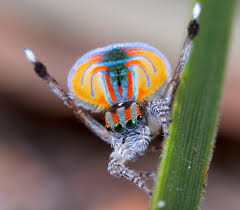
Peacock spiders belong to the genus Maratus, and boast vibrant hues, typically characterised by iridescent blues, reds, and yellows. Adult males are approximately 5 millimetres long, with their elongated and colourful abdomens displaying remarkable patterns. Their striking appearance serves a twofold purpose: they attract potential mates and ward off rivals in their environment.
Behaviour and Courtship Rituals
The courtship of male peacock spiders is among the most fascinating in the animal kingdom. Males perform complex dances that involve lifting their legs to reveal their colourful abdomens, vibrating to attract females. This display is not only a visual spectacle but also accompanied by a unique drumming sound produced by leg movements. Research has shown that these elaborate dances serve as both a mating call and a demonstration of fitness, allowing females to select the best partners.
Conservation and Threats
Despite their popularity, peacock spiders face threats from habitat loss due to urbanisation and land conversions for agriculture. While specific conservation measures are limited, increasing awareness about their ecological role and unique behaviours has led to conservation efforts by local communities and researchers. Protecting their natural habitats is essential for maintaining biodiversity and ensuring the survival of these remarkable creatures.
Conclusion
The peacock spider is a remarkable example of natural beauty and evolution’s creativity. Its vibrant colours, unique courtship dances, and fascinating behaviours offer insight into the complexities of the animal kingdom. As awareness of their plight increases, it is crucial for conservation efforts to focus on preserving their habitats. Ultimately, the ongoing study of peacock spiders goes beyond mere fascination; it reminds us of the intricate connections within ecosystems and the importance of protecting the diversity of life on our planet.