Introduction
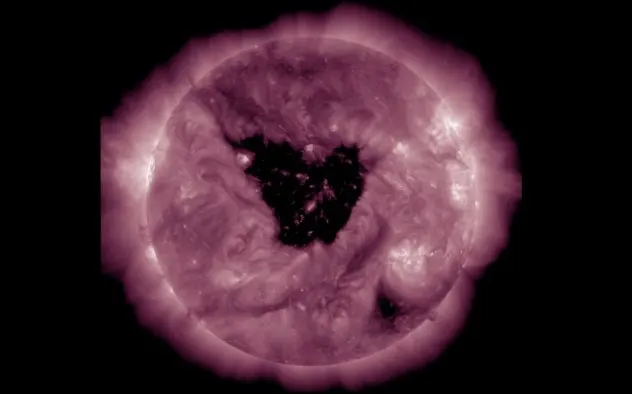
The recent discovery of a butterfly-shaped hole on the sun has captured the attention of solar scientists and astronomy enthusiasts alike. This phenomenon, known as a coronal hole, is significant as it offers insights into solar activity and its effects on space weather.
What is a Coronal Hole?
A coronal hole is an area on the sun where the magnetic field lines open up into space, allowing solar winds to flow freely. Unlike the sun’s outer regions, which are typically incredibly hot and dense, coronal holes are cooler and less dense. The butterfly shape observed in recent images is a unique configuration created by the sun’s complex magnetic field.
Recent Observations
NASA’s Solar Dynamics Observatory (SDO) captured stunning images of this butterfly-shaped coronal hole in early October 2023. Astronomers noted that these structures can last for days or even weeks, often associated with increased solar wind speeds that may affect satellite operations and communications on Earth. The hole’s shape is deemed unusual but not unprecedented, raising curiosity about the underlying magnetic processes.
The Impact of Coronal Holes
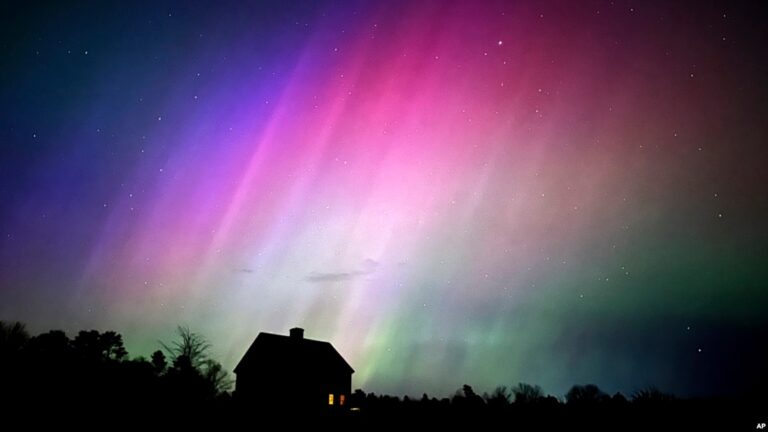
Coronal holes play a crucial role in space weather. As solar winds escape from these openings, they can interact with the Earth’s magnetic field, potentially leading to geomagnetic storms. These storms can disrupt power grids and communication systems, making the monitoring of coronal holes essential for predicting space weather events.
Conclusion
The butterfly-shaped hole on the sun not only highlights the dynamic nature of our closest star but also underscores the importance of ongoing solar research. As scientists continue to monitor such phenomena, they aim to better understand solar dynamics and their implications for life on Earth. The recent observations encourage further exploration into the relationship between solar activity and space weather, shedding light on the interconnected systems of our solar environment.