Introduction
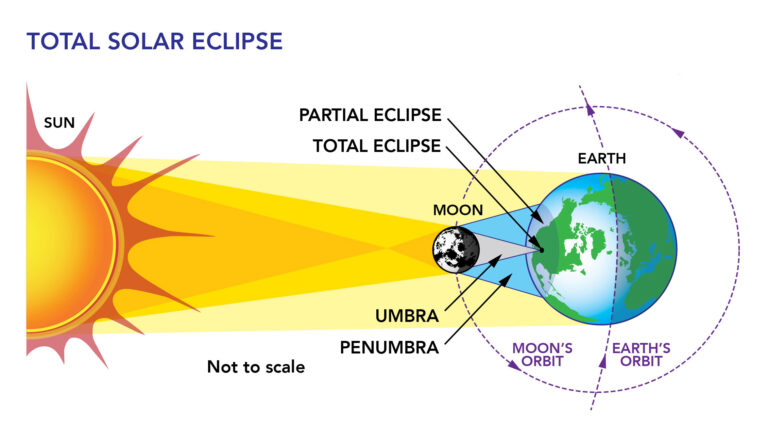
The solar eclipse occurring on August 12, 2026, is a significant astronomical event that captures the attention of skywatchers and science enthusiasts alike. As the Moon passes between the Earth and the Sun, it will create a spectacular celestial phenomenon visible in various parts of the globe. Understanding this event not only emphasizes the beauty of our solar system but also highlights the increasing interest in astronomy and science education.
Details of the Solar Eclipse
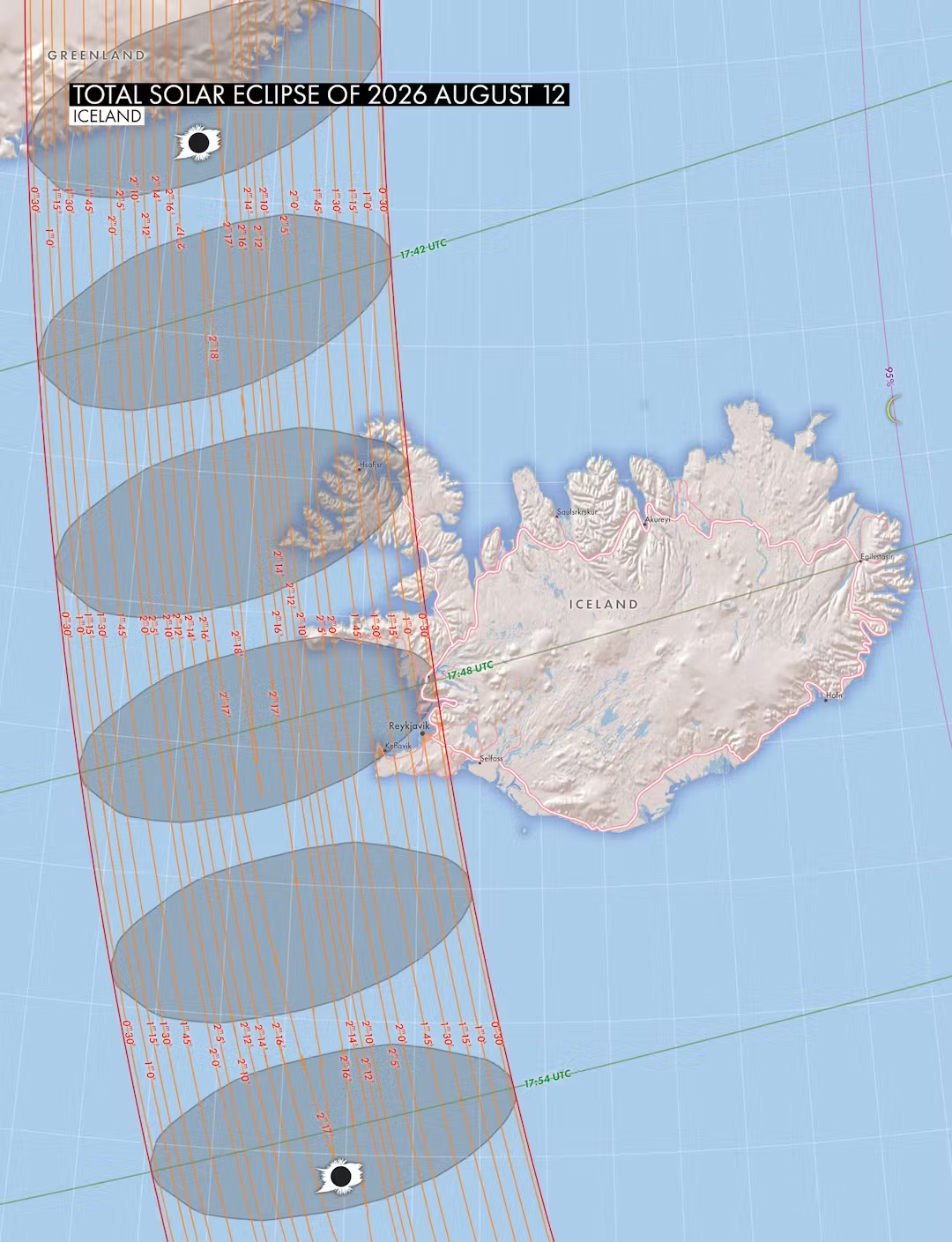
The phase of totality will be visible across parts of Spain, Greenland, Iceland, and northern regions of the United Kingdom, particularly in Scotland. This total solar eclipse will last for several minutes, allowing observers a rare chance to witness the Sun’s corona and experience the day turning into twilight.
Experts predict that many people will travel to the prime viewing locations to witness this rare event. In Spain, areas such as the Balearic Islands will see a high concentration of visitors, while Iceland’s unique landscape provides a stunning backdrop for the eclipse. The northern UK regions, though not in the full path of totality, will still experience a partial eclipse, which is expected to attract significant public interest and educational initiatives across schools and observatories.
Preparation for the Solar Eclipse
As the date approaches, astronomical societies are gearing up to provide live streams, educational resources, and safe viewing equipment to enhance public engagement. Schools are encouraged to teach about eclipses and promote safe viewing practices, such as using solar eclipse glasses or pinhole projectors. The Royal Astronomical Society in the UK is planning events to raise awareness and safety measures for the general public.
Conclusion
The solar eclipse in 2026 provides an extraordinary opportunity for both education and engagement with astronomy. With its visibility across popular areas, it is likely that public interest will culminate in widespread participation. Preparing for such events not only enriches our understanding of celestial mechanics but also inspires future generations in the field of science. As we anticipate this remarkable event, it serves as a reminder of our place in the universe and the wonders it holds.