Introduction
San Marino, officially known as the Republic of San Marino, is a small landlocked nation encircled by Italy, renowned for its medieval architecture and stunning mountainous terrain. As one of the world’s oldest republics, founded in A.D. 301, San Marino holds a pivotal place in the historical landscape of Europe, offering tourists and scholars alike a unique glimpse into a rich tapestry of heritage, culture, and political autonomy.
Historical Significance
San Marino’s enduring independence is its hallmark, having maintained its sovereignty through centuries of turmoil and political changes in the surrounding regions. The country operates under a parliamentary system, with two Captains Regent serving as heads of state. San Marino’s constitution, established in 1600, is one of the oldest in the world.
Tourist Attractions
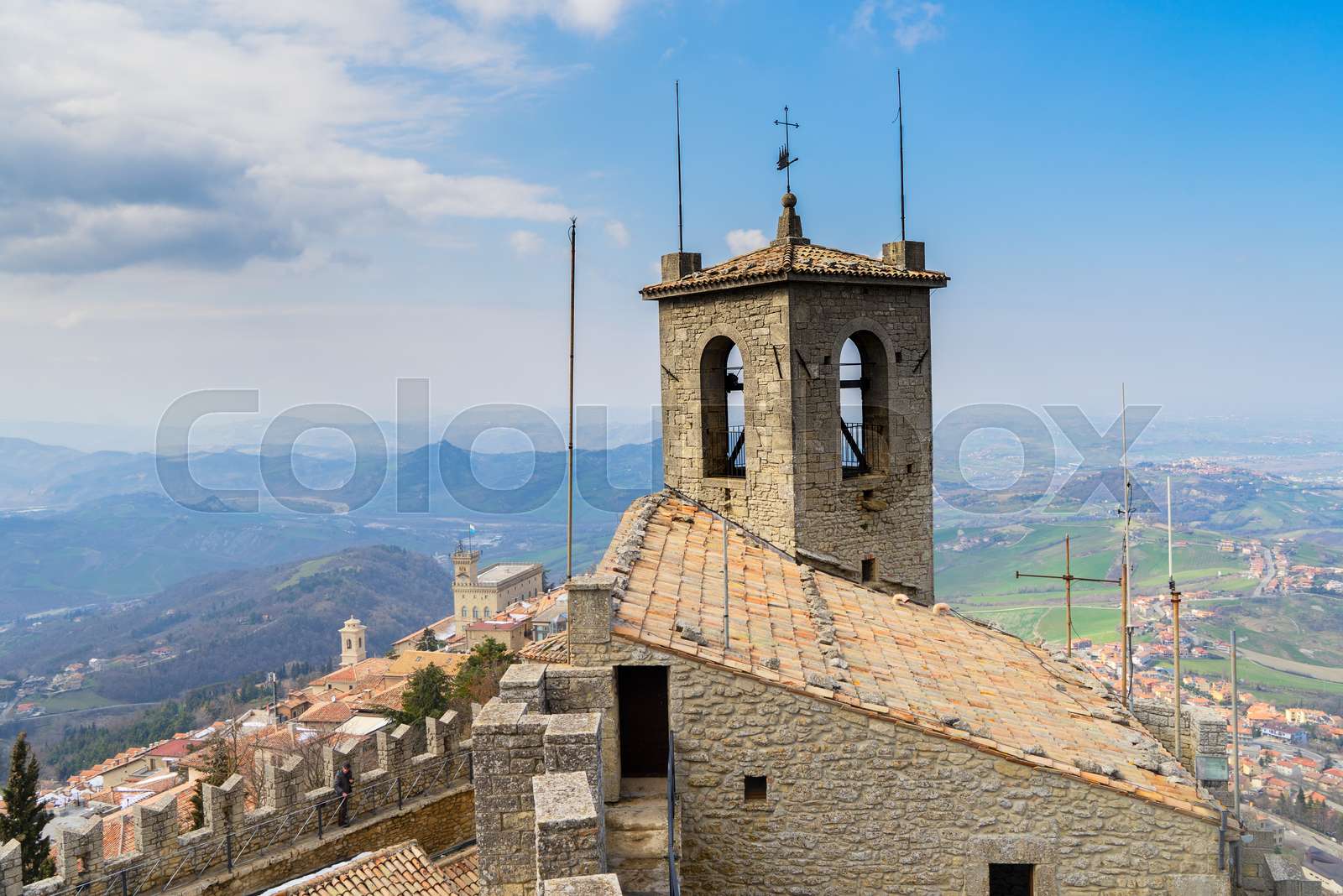
Visitors to San Marino are often drawn to its picturesque cityscape, particularly the three Towers of San Marino—Guaita, Cesta, and Montale—each offering breathtaking views of the surrounding countryside. The Guaita, built in the 11th century, is the oldest and most well-known, while the Cesta houses the Museum of Ancient Arms, adding a historical context to its impressive structure.
The capital city, also named San Marino, is a UNESCO World Heritage site, featuring well-preserved medieval architecture and charming cobbled streets. The Basilica di San Marino, dedicated to the country’s patron saint, is a significant religious site home to exquisite art and architecture.
Culture and Events
San Marino’s cultural landscape is vibrant, with numerous festivals occurring throughout the year, celebrating everything from traditional crafts to historical reenactments. The Mostra mercato delle opere dell’ingegno, for instance, showcases local artists and artisans, highlighting the creativity and passion that define San Marino’s identity.
Recent Developments
As of late 2023, San Marino has been making strides in promoting itself as a sustainable tourism destination, focusing on eco-friendly initiatives and heritage preservation. The government has emphasized the importance of maintaining the delicate balance between tourism, cultural conservation, and the environment, ensuring that the beauty of San Marino can be appreciated by future generations.
Conclusion
San Marino represents a unique blend of historical significance and cultural richness. As Europe becomes increasingly interconnected, San Marino stands as a reminder of its diverse history and the importance of cultural preservation. For travelers seeking an off-the-beaten-path destination, San Marino is an idyllic choice that promises enchanting experiences amid its dramatic landscapes and storied past.