Introduction to St Helena
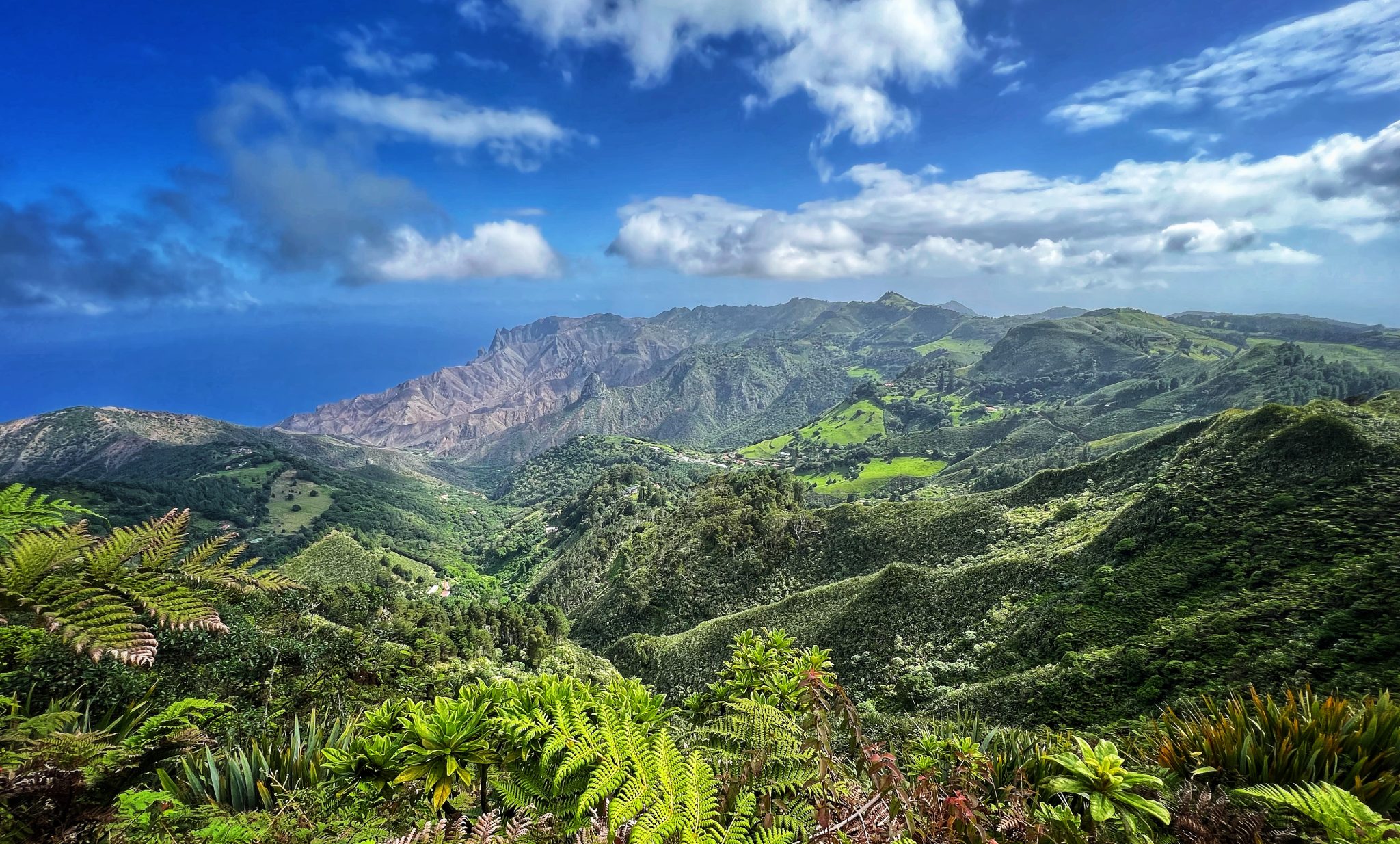
St Helena is a remote island in the South Atlantic Ocean, renowned for its stunning landscapes and significant history. Once, it served as the place of exile for Napoleon Bonaparte after his defeat in 1815. Today, the island stands not only as a reminder of colonization but also as a beacon of biodiversity and cultural heritage. With its recent establishment of a new airport, St Helena is poised to become a prime destination for travellers seeking history and adventure.
Significant Historical Events
The history of St Helena is marked by its strategic location on trade routes, which led to its discovery in 1502 by the Portuguese. The British took possession of the island in 1659, eventually establishing a colony. The most notable event in its history came when Napoleon was exiled there, living on the island until his death in 1821. His presence helped shape the narrative of St Helena as a site of historical intrigue.
Local Culture and Biodiversity
St Helena boasts a unique mix of cultures, enriched by influences from African, British, and Portuguese heritages. This diverse cultural tapestry is reflected in the island’s music, food, and local traditions. Additionally, St Helena is home to several endemic species, such as the St Helena plover and the wirebird, making it a critical area for conservation efforts.
Recent Developments
Since the opening of St Helena Airport in 2016, the island has seen a gradual increase in tourism, which has begun to reshape its economy. The airport was a game-changer, as it replaced the previous reliance on long sea voyages which limited accessibility. The improved connectivity is also enhancing the sourcing of goods and services, stimulating local businesses. Furthermore, the government is investing in tourism infrastructure, aiming to provide visitors with greater access to the island’s natural beauty and historical sites.
Conclusion
St Helena is a remarkable island that combines history and natural beauty in an extraordinary way. As tourism continues to grow, it offers numerous opportunities for economic development, while also challenging the island to preserve its unique cultural and biological heritage. The future looks bright for St Helena, as it stands at the crossroads of local traditions and modern-day global engagement, making it an enticing destination for tourists and historians alike.