Introduction
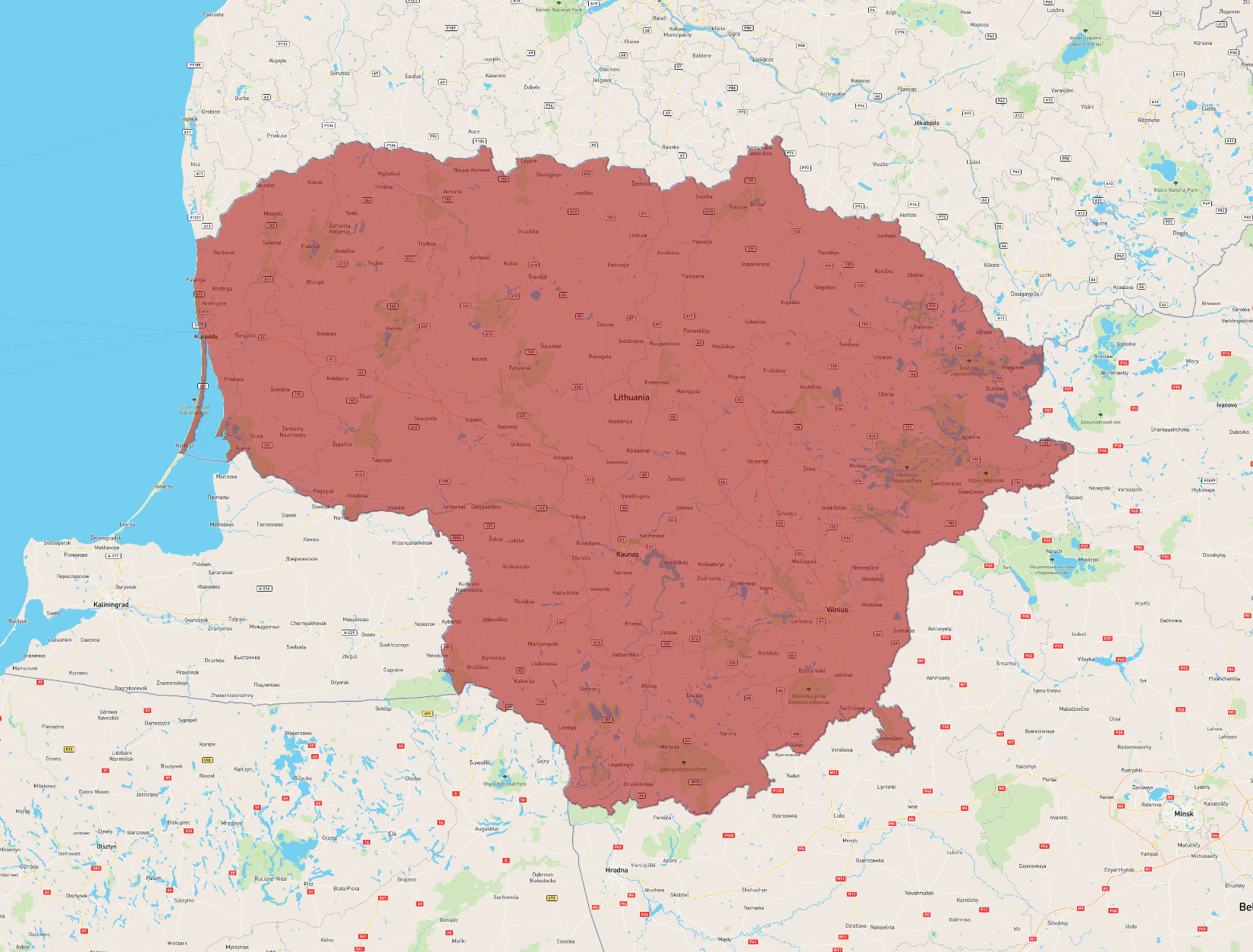
Lithuania, the largest of the three Baltic States, is a country known for its rich cultural history and significant progress since regaining independence from the Soviet Union in 1990. Its relevance today is underscored by economic growth, integration within the European Union, and a unique position in Eastern Europe. Understanding Lithuania’s evolution is essential for appreciating its current role on the international stage.
A Brief Historical Overview
Lithuania’s history stretches back to the Kingdom of Lithuania, which was established in the 13th century and was one of the largest countries in Europe during the Polish-Lithuanian Commonwealth. Following partitions and occupations, Lithuania declared its independence in 1918; however, world events led to its incorporation into the Soviet Union during World War II. The country regained independence in 1990, a move that highlighted a strong national identity and a desire for democratic governance.
Current Political and Economic Landscape
Today, Lithuania operates as a parliamentary republic and is a member of both the European Union and NATO. The country’s political landscape is stable, with recent elections resulting in a continuation of policies focused on economic development, sustainability, and strengthening ties with Western allies. Economically, Lithuania has seen significant growth, with a projected GDP growth rate of around 3.5% for 2023, driven by an increase in exports and investment in technology sectors. The country boasts a burgeoning technology scene, particularly noted for its progress in fintech and start-ups.
Cultural Significance
Lithuania’s culture is a blend of ancient traditions and modern influences. The capital city, Vilnius, is known for its well-preserved medieval architecture and vibrant arts scene. Events such as the Vilnius International Film Festival and numerous music events enhance its reputation as a cultural hub. Additionally, its unique language, one of the oldest languages in Europe, serves as a testament to its rich heritage.
Conclusion
In conclusion, Lithuania represents a potent example of resilience and development from its tumultuous past to its thriving present. As it continues to embrace Europe’s future, the country’s commitment to democracy, cultural heritage, and economic progress positions it as an important player in Eastern Europe. For readers, understanding Lithuania not only enriches one’s knowledge of the Baltic region but also highlights the remarkable transformations that countries can undergo in a relatively short period.