The Importance of the Saros Cycle
The Saros cycle is a natural method of predicting eclipses that occurs approximately every 18 years, 11 days, and 8 hours. This cycle is vital for astronomers and eclipse chasers as it offers a systematic way to anticipate when and where eclipses will take place. The Saros cycle’s significance extends far beyond mere curiosity; it represents a deep understanding of celestial mechanics, enabling scientists to make reliable forecasts about solar and lunar events.
How the Saros Cycle Works
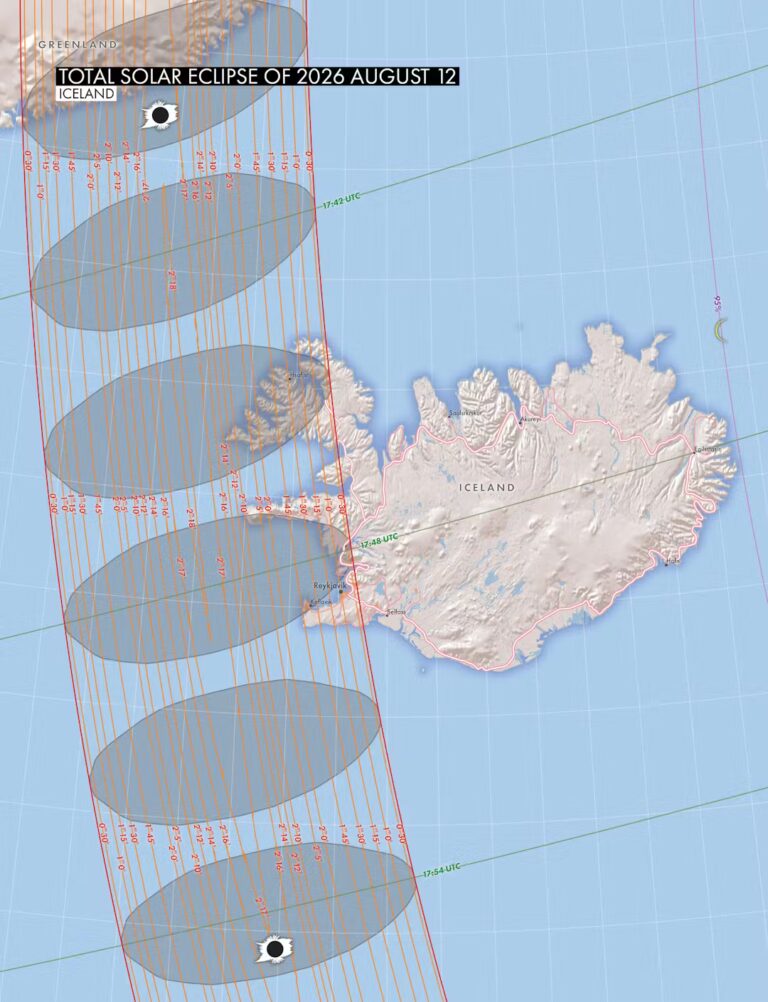
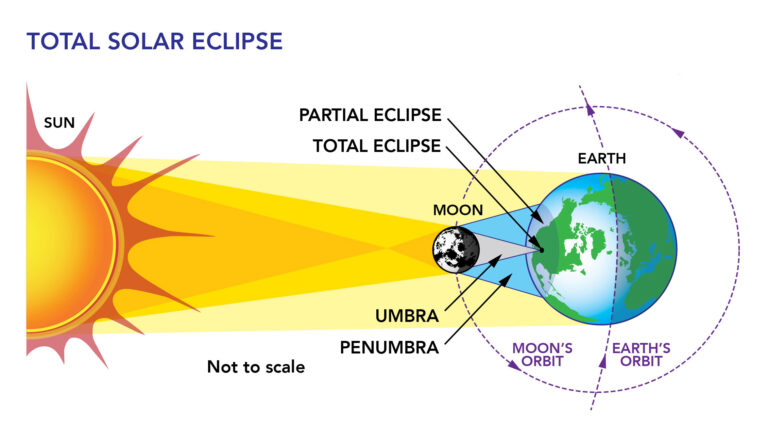
Each Saros cycle synchronises the positions of the Earth, Moon, and Sun with remarkable precision, allowing for a similar eclipse to occur. The geometric alignment of these celestial bodies is essential for an eclipse to be observed from Earth. This means that an eclipse happening in one Saros cycle will occur again 18 years and 11 days later but shifted in location geographically. For instance, if an eclipse is visible from London, the next one might only be visible from the Indian Ocean.
Historical Significance of the Saros Cycle
Historically, the concept of the Saros cycle has played a crucial role in various cultures and civilisations. Ancient Babylonian astronomers were among the first to notice and document this cycle, using it to predict future eclipses. For this reason, the Saros cycle remains a fundamental aspect of astronomy, bridging the modern astronomical understandings with the ancient practices of sky observation.
Recent and Upcoming Eclipses
In recent months, the Saros cycle has again captured public attention due to a series of significant eclipses. On October 14, 2023, a solar eclipse occurred that was part of a new Saros series beginning in 1999. The next eclipse in this series is expected in 2041, offering opportunities for sky-gazers and photographers. Additionally, communities around the world are increasingly engaging in educational programmes to expand public understanding of these celestial events and their connections to the Saros cycle.
Conclusion
The Saros cycle is more than a means of predicting eclipses; it reflects humanity’s quest to understand our place in the universe. Its continued relevance in the modern era highlights the intersection of ancient astronomy with contemporary science. As we look to the future, the Saros cycle will undoubtedly serve as a critical tool for eclipse enthusiasts and scientists alike, promising fascinating celestial spectacles in the years to come.