Introduction to Solar Eclipses
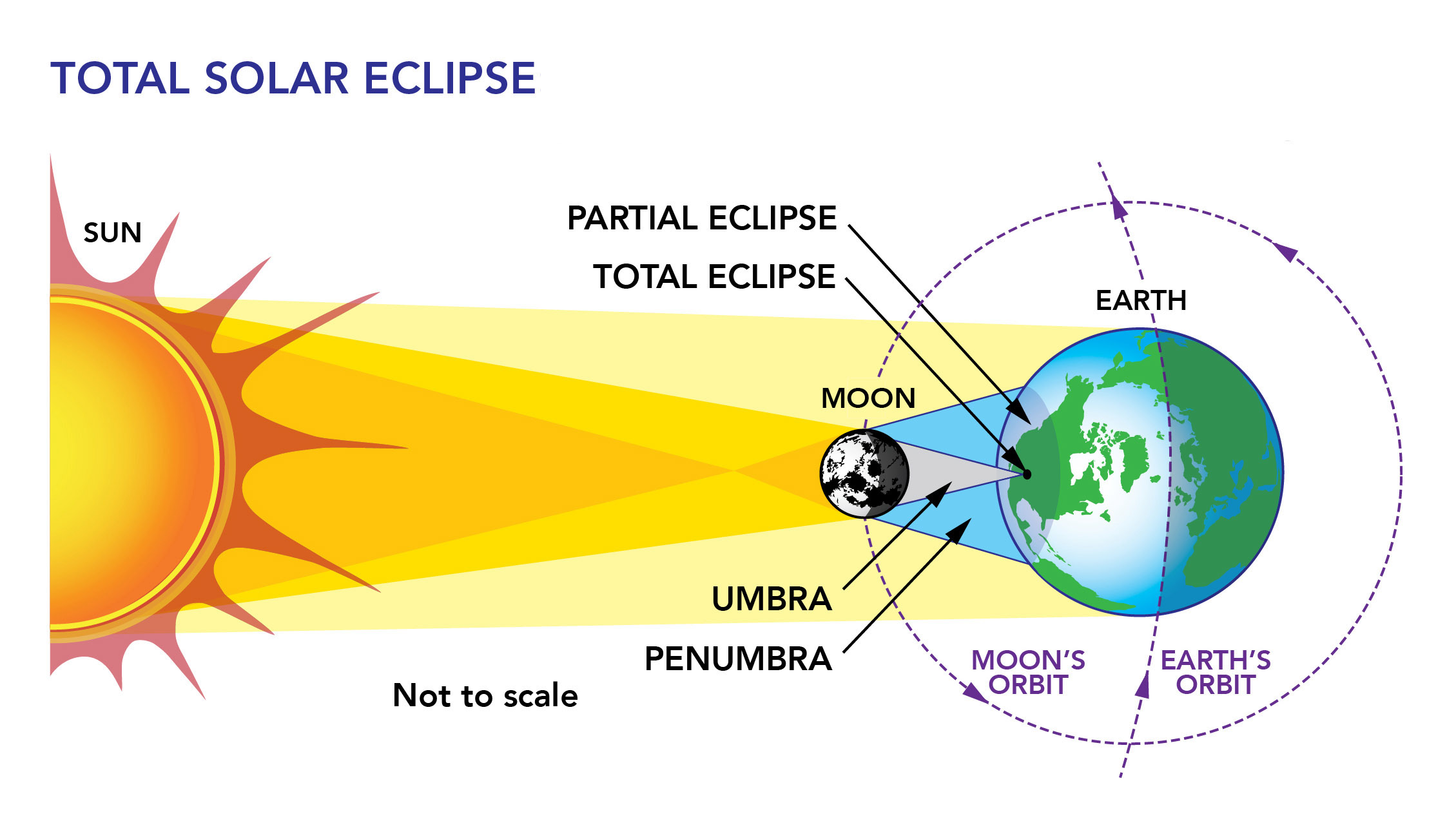
Solar eclipses are captivating astronomical events that occur when the Moon passes between the Earth and the Sun, temporarily blocking the Sun’s light. These occurrences are significant for various reasons, from scientific research to cultural traditions. The rarity of total solar eclipses, in particular, can draw thousands of spectators worldwide, making them events of remarkable interest.
Types of Solar Eclipses
There are three primary types of solar eclipses: total, partial, and annular.
1. **Total Solar Eclipse**: Happens when the Moon completely obscures the Sun, casting a shadow on Earth. Observers in the path of totality experience a brief period of darkness during the day.
2. **Partial Solar Eclipse**: Occurs when only a part of the Sun is obscured by the Moon. This type is visible over a larger area than total eclipses.
3. **Annular Solar Eclipse**: This happens when the Moon is too far from the Earth to completely cover the Sun. Instead, a ring of sunlight remains visible around the Moon, resulting in what appears as a ‘ring of fire’ in the sky.
Recent Solar Eclipses
The most recent total solar eclipse occurred on April 20, 2023, and was visible in parts of Australia and Indonesia. Millions of people ventured to these locations to witness the astounding spectacle. Furthermore, a significant partial solar eclipse also took place across large parts of the UK, allowing many stargazers to experience a taste of the event, albeit without totality.
Significance of Solar Eclipses
Solar eclipses have been a source of fascination and study for centuries. They have played an essential role in various cultural myths and scientific advancements. The occurrence of a solar eclipse provides a rare opportunity for scientists to study the Sun’s corona, the outer layer which is otherwise obscured by the Sun’s brightness. Additionally, in 1919, a solar eclipse allowed scientists to confirm Albert Einstein’s theory of general relativity by observing the bending of starlight around the Sun.
Looking Ahead
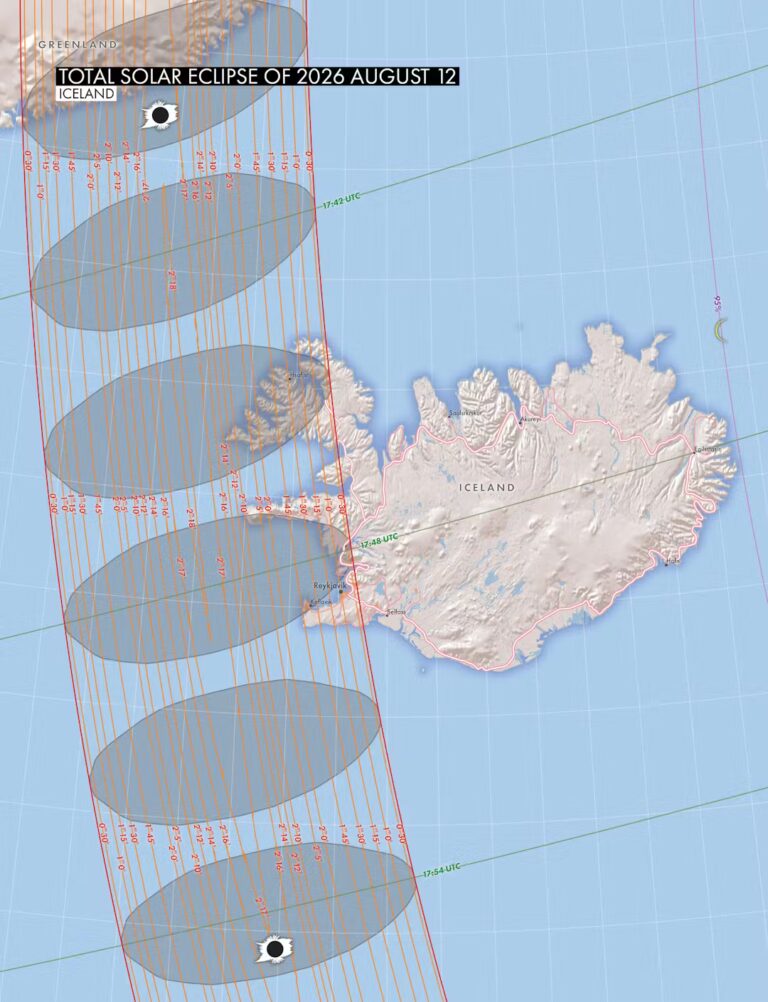
The next total solar eclipse will occur on August 12, 2026, crossing Greenland, Iceland, and Spain. Such upcoming events present an excellent opportunity for education, awareness, and a deeper understanding of our solar system. The excitement surrounding solar eclipses often fosters interest in astronomy, expanding public knowledge and engagement with space science.
Conclusion
Solar eclipses are more than just stunning natural phenomena; they encapsulate the interplay between celestial bodies and have substantial relevance in scientific explorations and cultural traditions. As we await future eclipses, they remind us of the wonders of the universe, propelling both scientific curiosity and public enthusiasm.