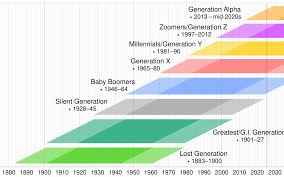
Introduction to Generation X
Generation X, commonly referred to as Gen X, encompasses individuals born between 1965 and 1980, placing them between the Baby Boomers and Millennials. This generation is often termed the ‘forgotten generation’ due to its position in the demographic timeline and the cultural overshadowing by both preceding and succeeding generations. Understanding Gen X is pivotal as they have contributed significantly to social, technological, and economic landscapes, serving as a bridge between more traditional Baby Boomer values and the digital savviness of Millennials.
Characteristics of Generation X
Members of Gen X have been shaped by societal shifts and major historical events. Significant influences include the end of the Cold War, the rise of the internet, and changes in family dynamics, including higher rates of divorce among their parents. As a result, Gen X is known for their resilience, independence, and adaptability. They are often characterised as pragmatic and resourceful individuals who balance work and personal life while valuing authenticity and creativity.
Current Challenges Faced by Generation X
In the current socio-economic climate, Generation X faces unique challenges. Many are at a critical juncture in their lives, responsible not only for their own families but also for aging parents, leading to what is often referred to as the “sandwich generation” phenomenon. Additionally, they face increasing job insecurity due to automation and the rise of gig economies, as well as the overwhelming financial pressures from student loans and housing costs that are prevalent among both younger generations and themselves.
Contributions of Generation X
Despite being overshadowed, Gen X has made substantial contributions to society and the workforce. They have been pivotal in the creation and expansion of digital technologies, having navigated the early days of the internet and social media. Their influence can be seen in various sectors, from entrepreneurship to pop culture, where their music, film, and literature continue to resonate and inspire. Gen Xers are often seen as mentors to their Millennial counterparts, guiding them through the complex job market of today.
Conclusion: The Future of Generation X
As Generation X continues to age, their significance will only grow. With insights and experiences gleaned from a rapidly changing world, they are poised to influence future generations significantly. Their ability to adapt, along with their unique perspective on work-life balance, technology, and cultural authenticity, makes them an essential demographic for employers and policymakers to engage with. Understanding the challenges they face as they navigate midlife can inform strategies to better support them and leverage their unique contributions, thus appreciating this ‘forgotten generation’ that bridges the gap between the old and new.