Introduction
The presence of Russian fighter jets near Alaskan airspace has become a significant point of concern for national security officials in the United States. With geopolitical tensions rising and military activities intensifying, understanding the implications of these maneuvers is crucial for both military strategy and public awareness.
Recent Incidents
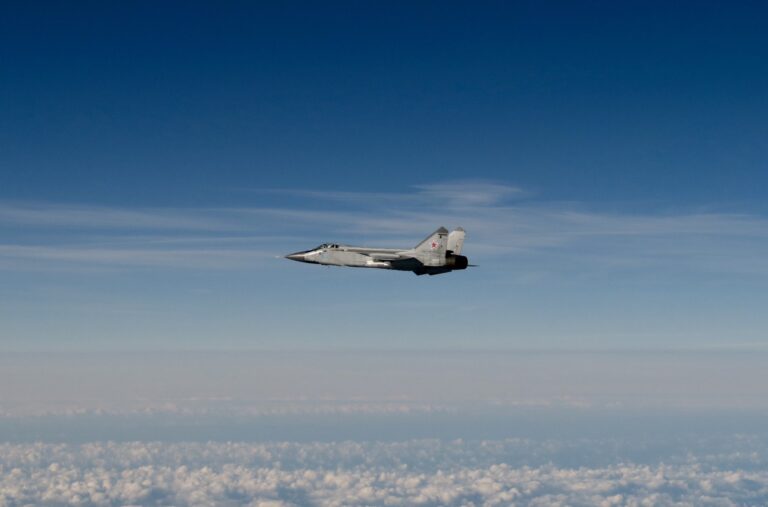
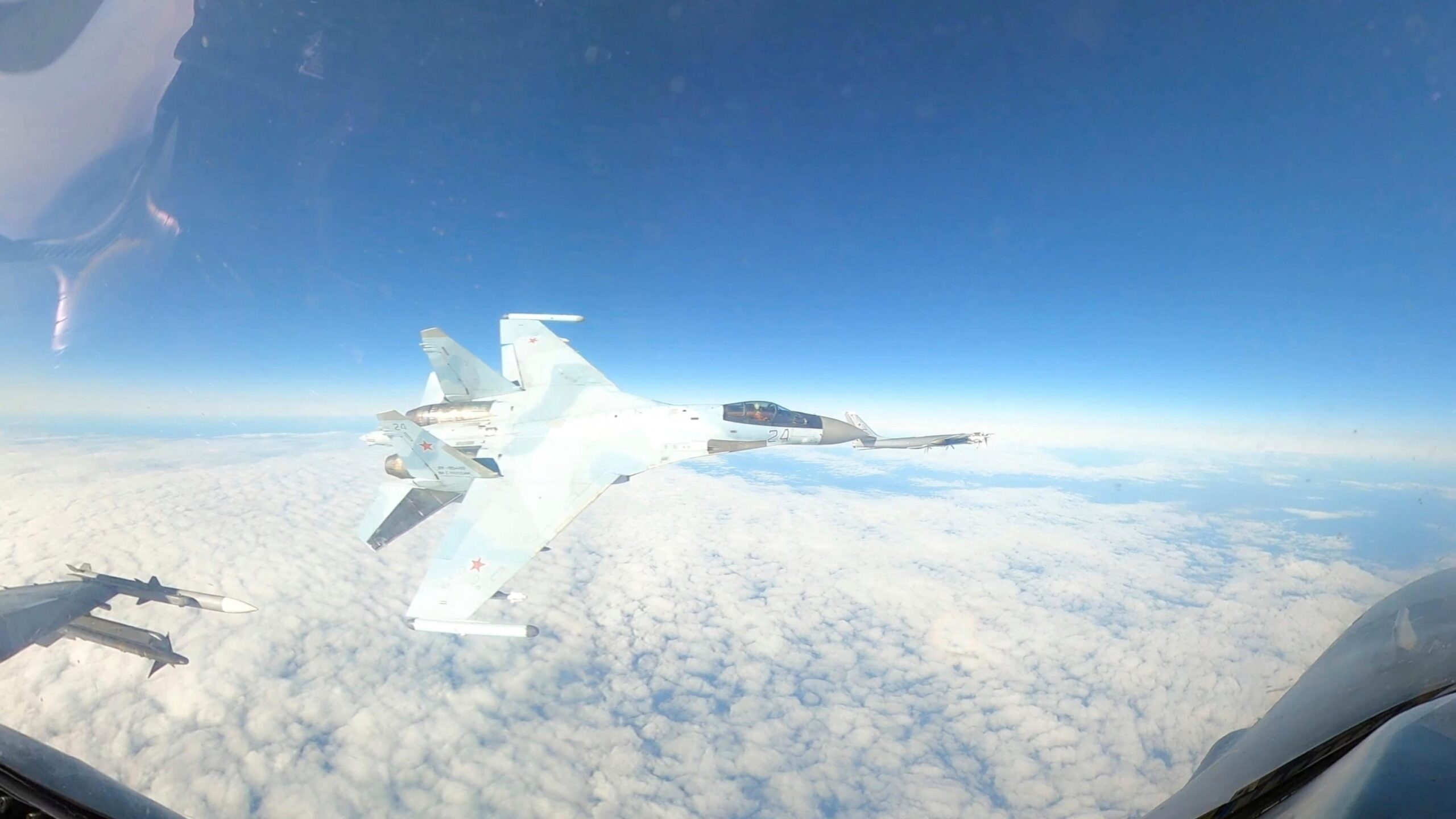
In recent months, the North American Aerospace Defense Command (NORAD) has reported an uptick in the number of Russian military aircraft operating in the vicinity of Alaska. On multiple occasions, fighter jets such as the Su-35 and Tupolev Tu-95 were detected within the Alaskan Air Defense Identification Zone (ADIZ), prompting swift responses from NORAD fighters.
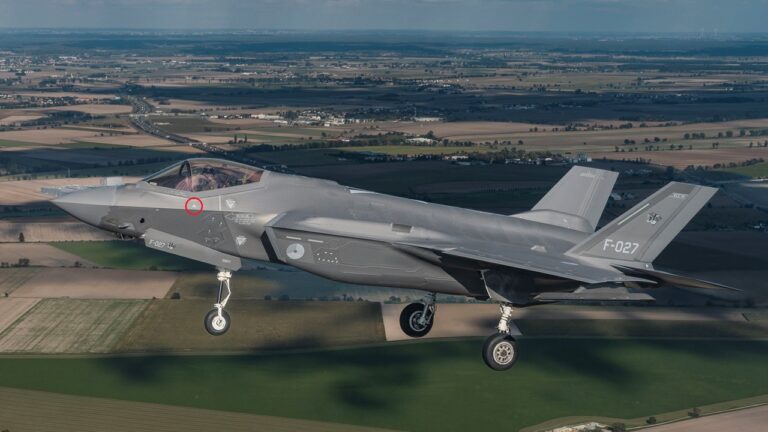
One notable incident occurred on September 15, 2023, when NORAD scrambled F-22 Raptors to intercept a pair of Tu-95 bombers that had entered the ADIZ without prior notification. According to NORAD officials, intercepting these aircraft serves not only as a defensive mechanism but also as a signal that the United States is vigilant regarding its airspace.
Possible Motivations
Military analysts suggest that the increased activity could be part of a broader strategy by Russia to assert its military presence, not just regionally but on a global scale. This behaviour may be linked to ongoing geopolitical issues, including NATO’s expansion and the situation in Eastern Europe. Additionally, the flight paths of these aircraft often coincide with routine exercises conducted by the Russian military, further arguing that their movements are strategic and calculated.
Reactions and Preparedness
The US government, alongside its military officials, has responded by enhancing aerial monitoring capabilities and increasing the frequency of training exercises in the region. The growing presence of Russian fighter jets has also led to renewed discussions about the adequacy of Alaska’s air defenses and strategic readiness to counter any potential threats.
Senator Lisa Murkowski of Alaska expressed concerns regarding the implications of these flights for national security and the safety of Alaskans, advocating for stronger military support and resources to monitor and manage any confrontations in the airspace.
Conclusion
As Russian fighter jets continue to approach Alaska’s airspace, the implications for US national security grow increasingly complex. The incidents serve as a stark reminder of the tense geopolitical atmosphere and highlight the necessity for proactive defense measures. Moving forward, experts predict that the US will likely escalate military readiness in response to these provocations, indicating a period of heightened vigilance in the Alaskan region and beyond.