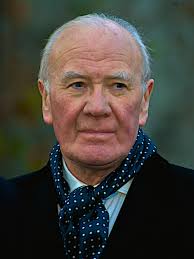
Introduction
Ming Campbell, a prominent figure in UK politics, has made significant contributions as a leader of the Liberal Democrats and as a Member of Parliament (MP). His political journey, characterized by advocacy for civil liberties and progressive policies, resonates strongly in today’s political landscape, making his story particularly relevant amidst ongoing discussions around governance and social justice.
Political Career Overview
Ming Campbell was born on May 22, 1941, in Glasgow, Scotland. He studied at the University of Edinburgh and later pursued a career in academia before entering politics. In 1997, he was elected as the MP for North East Fife, where he quickly established himself as a key figure within the Liberal Democrats. In 2006, Campbell succeeded Charles Kennedy as party leader, becoming the first leader of the Liberal Democrats to represent Scotland.
Tenure as Liberal Democrat Leader
As leader, Campbell focused on various issues including civil liberties, climate change, and education reform. His leadership came at a challenging time, with the party striving to carve out its identity amid coalition politics. Under his stewardship, the party made significant strides in parliamentary engagement, particularly in campaigning against the Iraq War and advocating for social justice.
However, his tenure was marked by challenges, particularly with the rise of the Conservative Party under David Cameron. In 2007, after a disappointing performance in the local elections, Campbell stepped down, paving the way for Nick Clegg to succeed him.
Post-Political Career
Following his departure from frontline politics, Campbell remained active in public life. He frequently contributes to discussions on education, social policy, and civil rights as a respected elder statesman. His insights on current political dynamics are sought after in media, and he actively engages in dialogues around political reform and electoral integrity.
Contributions and Impact
Campbell’s advocacy for civil liberties has had a lasting impact on UK policy, with many of his initiatives influencing modern liberal thought. His work as a proponent of fair electoral practices has also contributed to ongoing debates about political representation in the UK.
Conclusion
As the political landscape in the UK continues to evolve, the legacy of Ming Campbell remains significant. His dedication to civil rights and social justice serves as a reminder of the importance of ethical governance and political integrity. Looking to the future, his insights will likely continue to inspire new generations of politicians as they navigate the complexities of contemporary British politics.




