Introduction
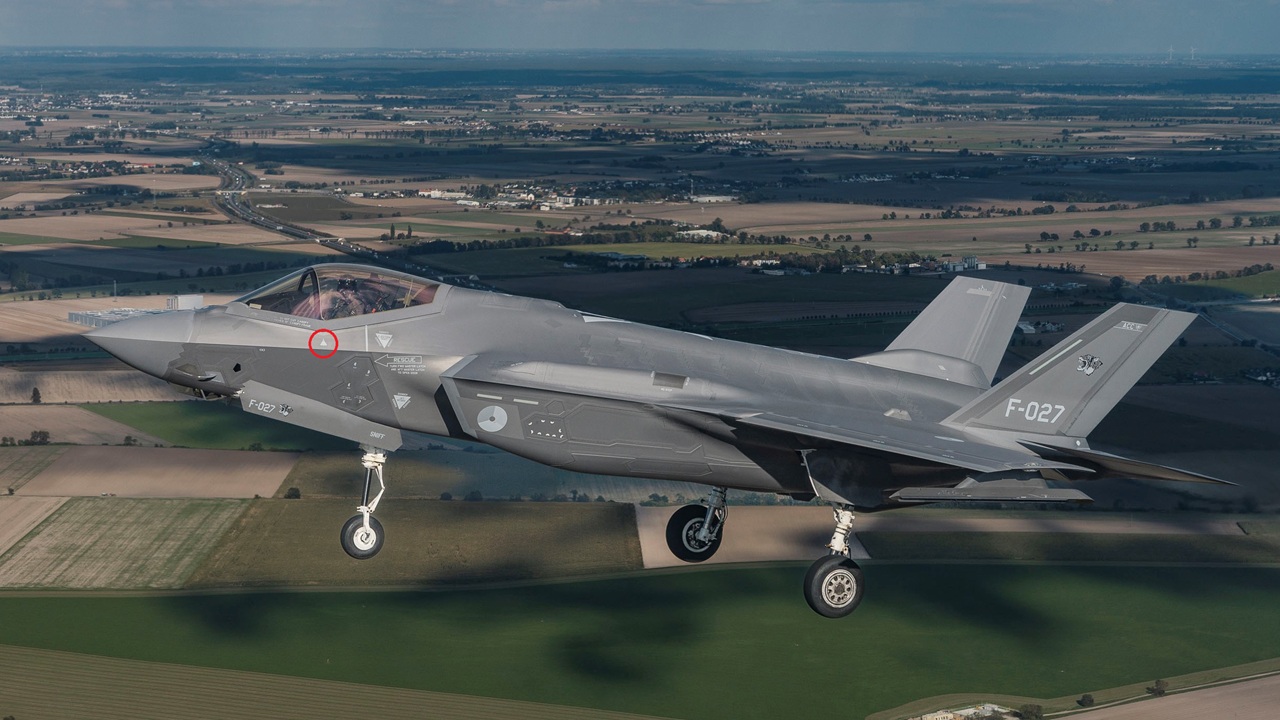
The recent incident involving a Dutch F-35 fighter jet shooting down a Russian drone underscores the escalating tensions between NATO allies and Russia. As military engagements in Eastern Europe intensify, this confrontation highlights the critical role of advanced military technology in modern warfare.
Event Details
On October 1, 2023, a Dutch F-35 was deployed as part of NATO’s enhanced air policing mission in Eastern Europe. During a routine patrol over the Baltic Sea, the aircraft detected an unmanned aerial vehicle (UAV) identified as a Russian reconnaissance drone. The drone, suspected of conducting surveillance over NATO territories, was intercepted and engaged by the F-35 after all diplomatic communication channels were exhausted.
The Dutch Ministry of Defence confirmed the engagement, stating, “The security of our airspace is paramount, and the actions taken by our pilot were necessary to protect NATO interests in the region.” This incident has sparked a variety of responses from international observers and media outlets, reflecting on the implications of such confrontations in broader geopolitical contexts.
Reactions and Analysis
Military analysts have noted that the use of advanced aircraft like the F-35 in such operations illustrates NATO’s commitment to air superiority and rapid response capabilities. The F-35, known for its stealth technology and advanced avionics, allows for effective engagement of UAVs that may pose threats to allied nations.
Russia has yet to officially comment on the incident; however, previous statements from Russian officials have expressed discontent with NATO’s military presence in Eastern Europe. Analysts suggest that this incident could lead to further military posturing from Russia, potentially increasing the risk of miscalculations and conflicts in the airspace.
Conclusion
The downing of a Russian drone by a Dutch F-35 serves as a potent reminder of the ongoing tensions in Europe. As NATO enhances its military presence and readiness in response to perceived threats, such incidents may become more frequent. Readers should consider the potential ramifications of these developments for international relations, military strategy, and national security in the region. In light of this event, observers will be closely monitoring both NATO’s and Russia’s next moves, as the potential for escalated conflict remains a significant concern.