Introduction
Russian fighter jets have long been at the forefront of military aviation, showcasing advanced technology and capabilities that set them apart on the global stage. With ongoing geopolitical tensions and a focus on modernising their military fleet, understanding the developments surrounding Russian fighter jets is crucial not only for military analysts but also for those interested in the broader implications for international security.
Recent Developments in Russian Fighter Jets
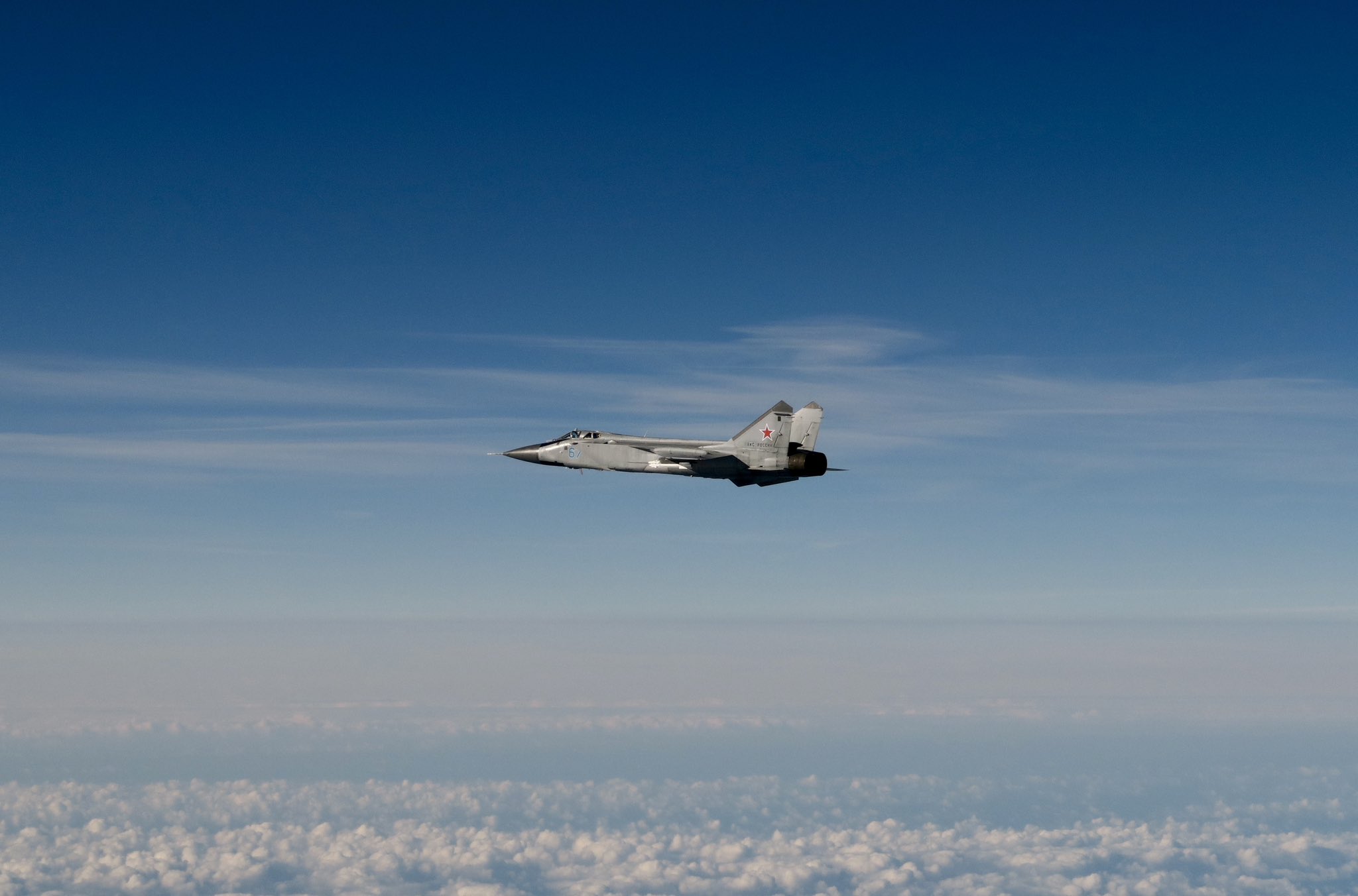
In recent years, Russia has embarked on a significant upgrade of its air force, focusing on key fighter jets such as the Su-57, Su-35, and MiG-31. The Su-57, Russia’s fifth-generation fighter jet, has gained attention for its stealth features, super-manoeuvrability, and advanced avionics. As of 2023, the Sukhoi Company has commenced limited serial production of the Su-57 and has delivered several units to the Russian Air Force, aiming to enhance aerial capabilities amidst increasing threats.
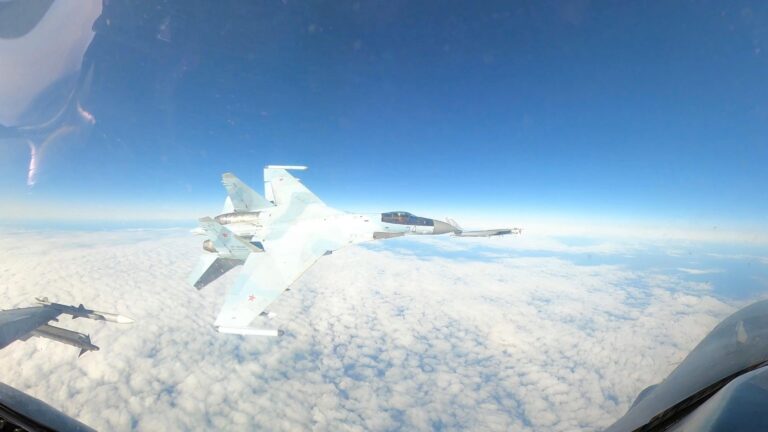
Another notable fighter jet is the Su-35, a fourth-generation aircraft equipped with cutting-edge technology and battle-proven performance. Its advancements in radar systems and engine technology allow for superior agility and a significantly enhanced combat range. Reports indicate that the Russian military has successfully deployed the Su-35 in various operations, including in conflict zones like Syria, demonstrating its operational effectiveness.
The Geopolitical Context
The development and deployment of Russian fighter jets occur against a backdrop of escalating tensions with NATO and other global powers. In 2023, the continued presence of NATO forces in Eastern Europe has prompted Russia to bolster its air defences and deploy fighter jets strategically. This posturing is not only a show of force but also a part of Russia’s strategy to protect its airspace and assert its military influence in the region. Additionally, international exercises and military partnerships with countries like China and India signal Russia’s intent to reinforce its standing as a formidable military power.
Conclusion
The advancements in Russian fighter jets signify not only technological prowess but also underline the shifting dynamics in global military power. As Russia continues to modernise its air force amid rising tensions with NATO and other international entities, the capabilities of these fighter jets are likely to play a critical role in future conflicts. For military enthusiasts and analysts, monitoring the evolution of Russian fighter jets is vital for understanding the complexities of modern warfare and international relations.