Introduction
Vanuatu, an archipelago located in the South Pacific Ocean, is increasingly gaining attention for its stunning natural beauty, rich cultural heritage, and tourism potential. The significance of Vanuatu lies not only in its picturesque landscapes, but also in its unique Melanesian culture, making it a focal point for researchers, travellers, and environmentalists alike.
Geographic and Cultural Overview
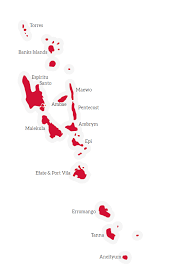
Vanuatu consists of approximately 83 islands, with the five largest being Espiritu Santo, Malekula, Efate, Tanna, and Erromango. The terrain is diverse, ranging from volcanic mountains and lush rainforests to sandy beaches. The capital city, Port Vila, situated on Efate, is a bustling hub of economic and cultural activities, with over 65,000 residents.
Culturally, Vanuatu is home to around 113 distinct languages, showcasing the rich diversity of its indigenous people. With a population of about 300,000, Vanuatu’s cultural practices are deeply rooted in traditional customs, rituals, and ceremonies, often celebrated through vibrant festivals.
Recent Developments in Vanuatu
Recently, Vanuatu has been making headlines as a destination attracting eco-tourism and adventure seekers. The opening of new resorts and eco-lodges highlights the country’s commitment to sustainable tourism, offering visitors opportunities to explore its natural wonders while respecting the environment. Moreover, the Vanuatu Tourism Office has launched campaigns to promote local cuisine and cultural experiences, further enriching the tourist experience.
Another area of interest is Vanuatu’s unique approach to climate change and disaster resilience. The nation has been heavily affected by climate-related events such as cyclones and rising sea levels. In response, Vanuatu has been proactive in implementing strategies for climate adaptation, and recently announced stronger initiatives to leverage international partnerships for disaster recovery.
Conclusion
As Vanuatu continues to evolve, it opens doors to various opportunities for economic development while preserving its natural and cultural heritage. For readers considering travel, investment, or study, Vanuatu presents a unique blend of adventure and education. Forecasts indicate that with continued investments in sustainable practices and tourism, Vanuatu could emerge as a leading destination in the Pacific, fostering both environmental and economic resilience. Exploring Vanuatu presents not just a chance to witness its breathtaking scenery but also an opportunity to engage with its rich history and culture, making it a must-visit for any globe-trotter.