Introduction
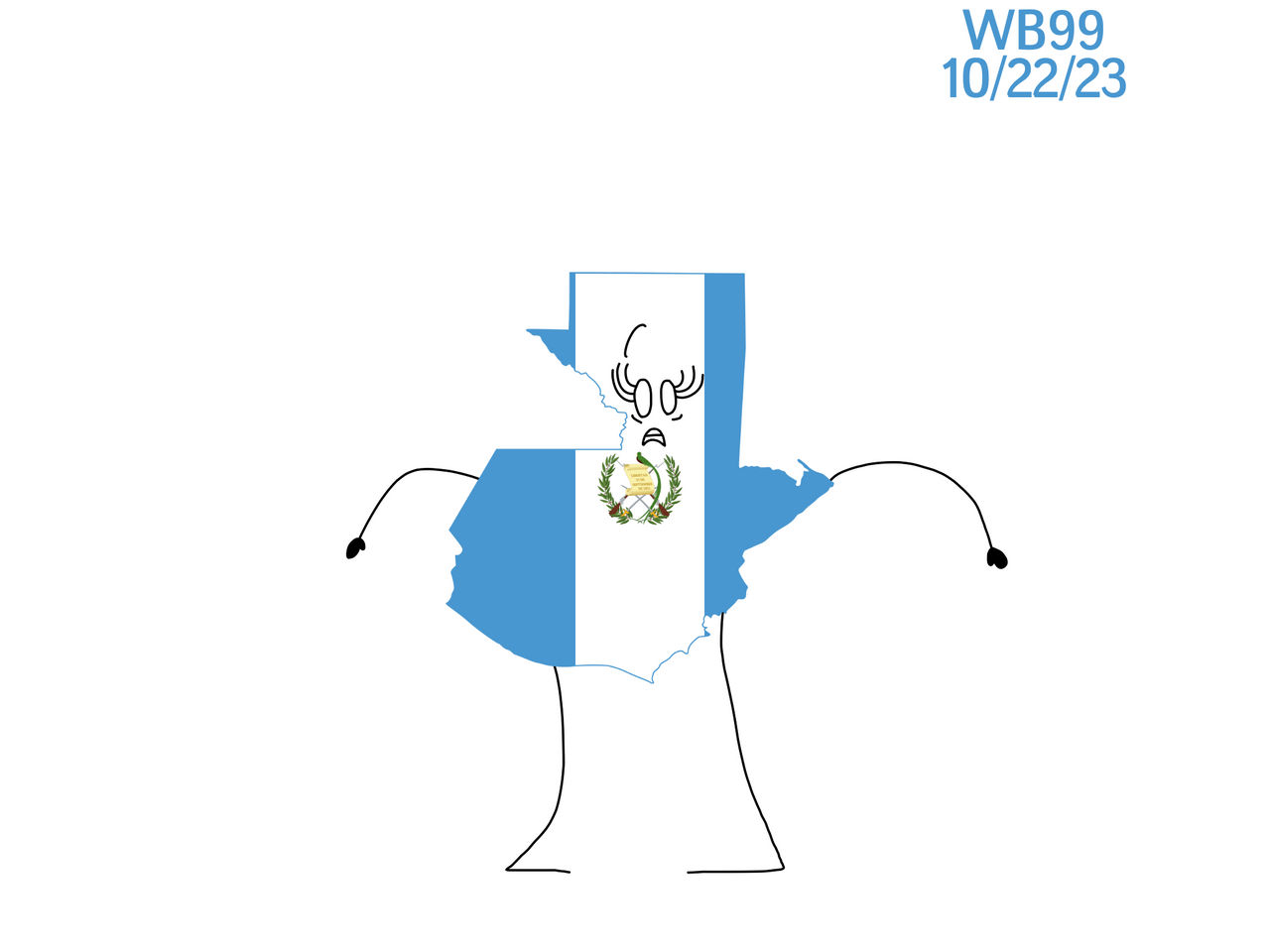
Guatemala, a country located in Central America, is renowned for its diverse culture, rich history, and breathtaking natural beauty. With a population of over 18 million people, it is a melting pot of Mayan and Spanish influences, which is reflected in its traditions, languages, and architecture. As the world emerges from the pandemic, Guatemala is witnessing a resurgence in tourism and economic development, making it a focal point of interest for travellers and investors alike.
Recent Developments
In recent months, Guatemala has made significant strides in promoting tourism. The Guatemalan government has launched marketing campaigns aimed at restoring the sector that was severely impacted by COVID-19. The country boasts a wealth of attractions, including the ancient Mayan ruins of Tikal, the vibrant markets of Chichicastenango, and the stunning Lake Atitlán, often cited as one of the most beautiful lakes in the world. In August 2023, the Ministry of Tourism reported a 35% increase in tourist arrivals compared to the previous year, highlighting the resurgence of interest in international travel.
Cultural Heritage and Festivals
Guatemala’s culture is deeply rooted in its indigenous heritage. Over 20 Mayan languages are still spoken today, making it one of the most linguistically diverse countries in the region. Festivals play a crucial role in the cultural landscape, with events like Semana Santa (Holy Week) in Antigua showcasing elaborate processions and traditional costumes. Recently, the government has encouraged community involvement in these events to promote local traditions and boost economic activity.
Environmental Concerns
While the tourism sector is thriving, Guatemala faces several environmental challenges. Deforestation, particularly in regions such as Petén, poses significant risks to biodiversity and local communities. In response, various organisations and the government are implementing conservation programmes aimed at protecting the country’s natural resources. Discussions at international forums have underscored the importance of sustainable tourism, balancing economic growth with environmental responsibility.
Conclusion
Guatemala stands at a crossroads, with immense potential for economic growth through tourism, while needing to address critical environmental issues. As the country continues to build on its cultural heritage and natural beauty, the involvement of local communities and sustainable practices will be key to ensuring a prosperous future. For tourists, the allure of Guatemala offers a rich tapestry of experiences waiting to be explored, from its historical sites to its vibrant cultural celebrations.