Introduction to Svalbard
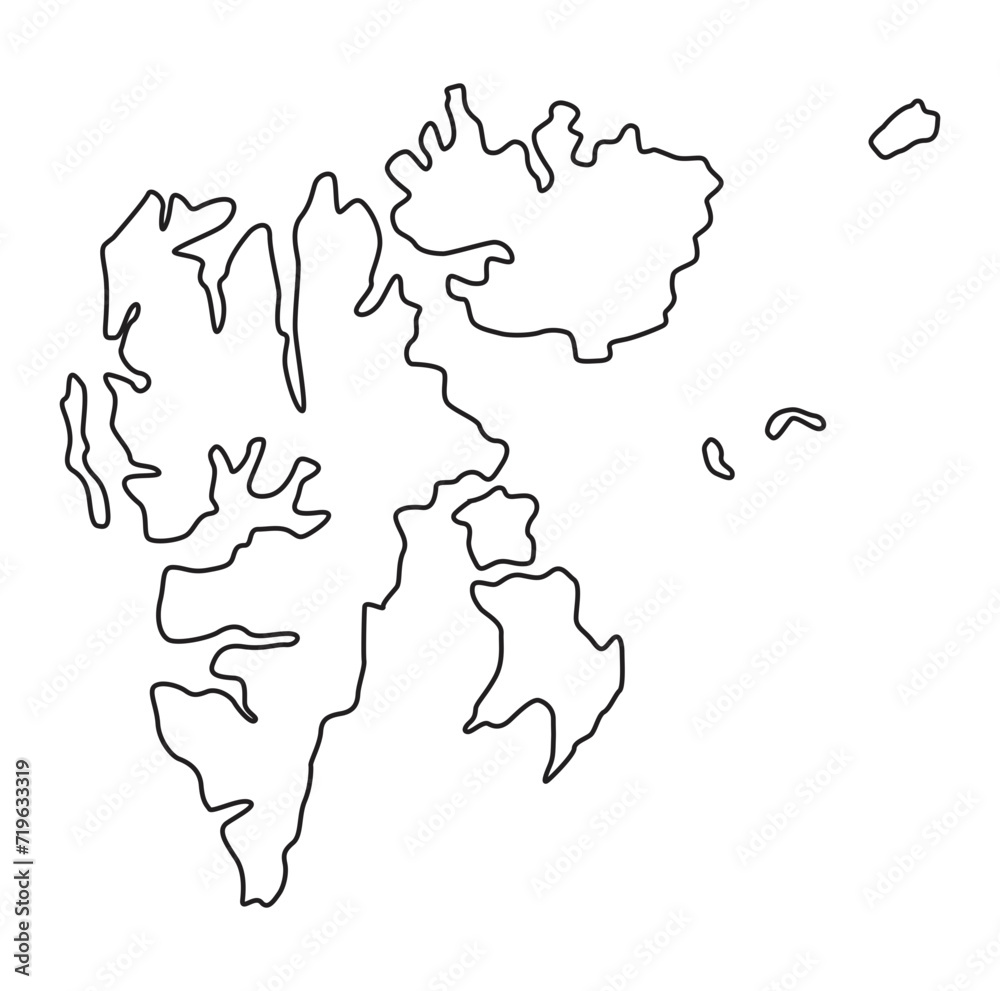
Svalbard, an archipelago located in the Arctic Ocean, approximately halfway between mainland Norway and the North Pole, is gaining increasing attention as a unique location that represents both natural beauty and global strategic importance. This remote destination offers extraordinary landscapes and serves as a critical barometer for the effects of climate change due to its vulnerable environment.
Geography and Climate
Svalbard comprises a series of islands, the largest being Spitsbergen, and is renowned for its dramatic mountains, glaciers, and fjords. The archipelago experiences a polar climate with long, harsh winters and brief, cool summers. Average temperatures in winter can plummet to -14°C, while summer highs rarely exceed 6°C. Notably, the midnight sun during summer and the polar night in winter draw tourists and researchers alike, keen on experiencing its unique daylight phenomena.
Flora and Fauna
The natural environment of Svalbard is home to diverse wildlife adapted to extreme conditions. Polar bears are perhaps its most iconic residents, alongside reindeer, walruses, and numerous seabird species. The archipelago’s waters teem with life, making it an important area for marine conservation. Researchers are increasingly focused on how climate warming affects these ecosystems, as Svalbard serves as a critical indicator of environmental change.
Strategic Importance and Research
In recent years, Svalbard has emerged as a focal point in geopolitical discussions, particularly concerning Arctic navigation, energy resources, and environmental protection. The melting icecaps have opened new shipping routes and potential drilling sites, leading to a complex interplay of international interests. The Svalbard Global Seed Vault—often referred to as the “Doomsday Vault”—is located here, safeguarding the genetic diversity of the world’s food supply. This highlights Svalbard’s importance not just for Norway, but for global food security.
Conclusion
As Svalbard continues to be shaped by environmental changes and geopolitical interests, it remains a destination filled with both wonder and concern. Over the next few years, we can expect increased scientific research efforts as well as heightened international collaboration—or tension—as the world grapples with climate issues and Arctic sovereignty. For those interested in natural beauty and the pressing challenges of climate change, Svalbard is not just a hidden gem of the Arctic; it is a place of profound significance for our planet’s future.