Introduction
The Monster of Florence is a chilling case that has haunted Italy for decades, and its recent adaptation into a Netflix series has brought renewed attention to this infamous serial killer. Spanning from 1968 to 1985, the case involved a series of brutal murders in the Tuscan countryside, spawning speculation and controversy that continues to intrigue crime enthusiasts and documentarians alike.
Background of the Case
The Monster of Florence is associated with the murders of 14 young couples, who were shot and sexually assaulted in remote areas. The crimes were characterized by their eerily similar modus operandi, making it clear to investigators that they were dealing with a serial killer. Despite extensive investigations and numerous arrests, the true identity of the Monster remains a subject of much debate, with various theories pointing to potential suspects including a disgraced doctor and even the involvement of organized crime.
The Netflix Series
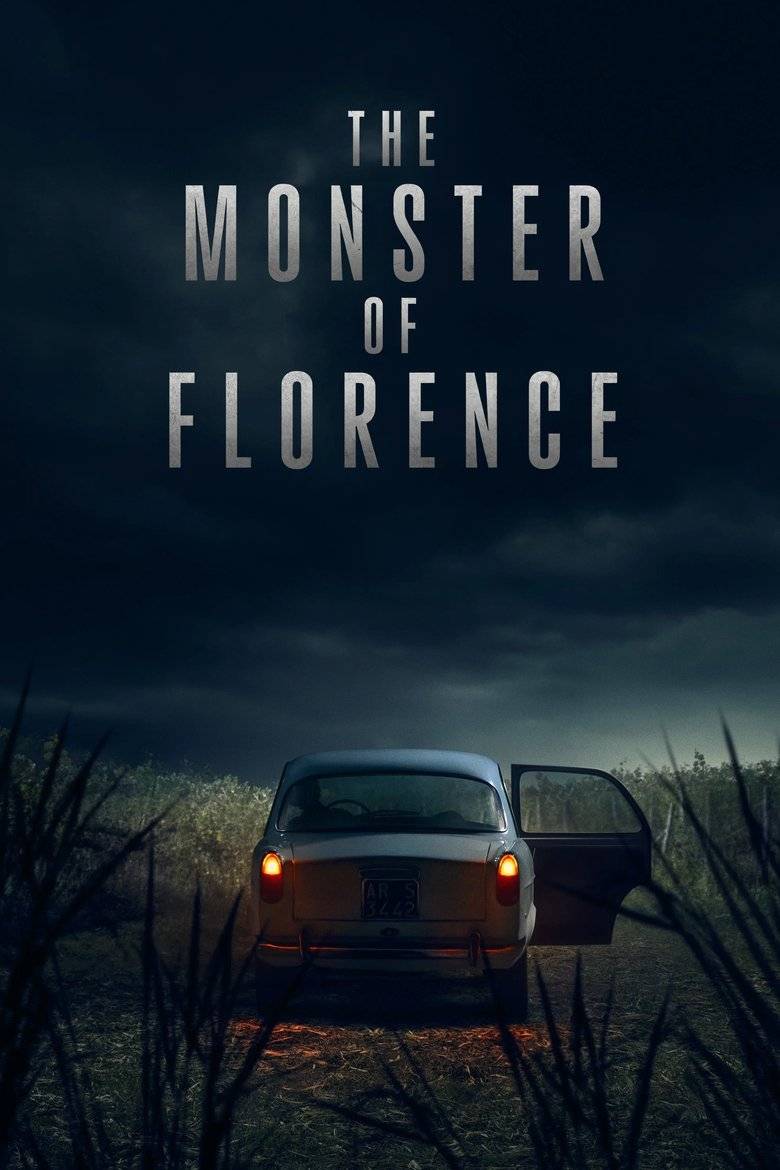
Recently, Netflix released a documentary series titled “The Monster of Florence” which delves into the gruesome details surrounding the murders and the societal implications reflected in the case. The series not only presents archival footage and expert interviews but also dramatises key moments, making it both informative and gripping. Viewers are invited to delve into the complex web of the investigation, as well as the psychological impact the case had on the local population and law enforcement agencies.
Public Reaction
Reception to the Netflix adaptation has been mixed, with some praising its in-depth analysis and unsettling portrayal of the events, while others have criticized it as sensationalist. The series has sparked conversations about how such true crime narratives affect public perceptions of both the victims and the perpetrator. It raises ethical questions regarding the fine line between entertainment and the respectful portrayal of real-life tragedies.
Conclusion
The significance of “The Monster of Florence” on Netflix lies in its ability to reignite public interest in a storied past while contributing to discussions around morality in storytelling. As viewers engage with this dark chapter of Italian history, it serves as a stark reminder of the complexities of crime, justice, and the human psyche. Whether one views it as a compelling documentary or a sensationalist portrayal, its impact on the true crime genre is undeniably profound. As more viewers flock to discover the eerie tales of the Monster, it raises a broader question: how should we approach the telling of such haunting stories in our contemporary media landscape?