Introduction
The ancient city of Troy, reputed for its legendary fall in Homer’s ‘Iliad,’ continues to captivate historians and archaeologists alike. Its historical and cultural significance offers insight into early civilisations and their intricate narratives of war, love, and betrayal. Understanding Troy is not only about the epic tales of heroes but also about uncovering the lifeblood of human history.
The Archaeological Importance of Troy
Located in modern-day Turkey, the archaeological site of Hisarlik encompasses what is believed to be the fabled city of Troy. Discovered in the 19th century by Heinrich Schliemann, a treasure hunter and archaeologist, Troy reveals layers of settlement that date back to the Bronze Age, around 3000 BC. The site has undergone numerous excavations, resulting in the identification of at least nine different layers of habitation, showcasing the city’s growth and decline over centuries.
Recent Discoveries and Ongoing Research
Recent archaeological efforts continue to unearth artefacts that provide evidence of Troy’s rich history, including pottery, weaponry, and domestic items that depict daily life in the ancient era. Scientists employ advanced methods, such as radiocarbon dating and aerial drone surveys, to understand better the layout of the city and its surroundings. In 2023, a new discovery was made that hints at potential fortifications that may have been constructed during Homeric times, prompting renewed interest in the defensive strategies employed by the city.
Troy in Popular Culture
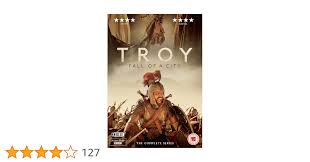
The tales of Troy, from the infamous Trojan Horse to the epic battles between Achilles and Hector, have permeated literature and art for centuries. Whether through classical texts, modern adaptations like the film ‘Troy’ (2004), or countless plays and novels, the story of Troy remains a critical reference point in discussions about honour, sacrifice, and the complexities of human relationships. Such portrayals have inspired generations and highlight the enduring legacy of Troy in not just history, but also in culture.
Conclusion
The city of Troy represents a fascinating intersection of myth and reality, continually inviting exploration and interpretation. As archaeological methods evolve, our understanding of this historical site continues to grow. For both scholars and enthusiasts, the ongoing discoveries provide a glimpse into the past, making Troy an ever-relevant subject in the context of human history. Its significance extends beyond the ancient world, offering timeless lessons about the nature of conflict, ambition, and legacy.