Introduction
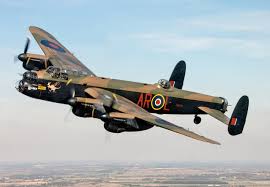
The Lancaster Bomber, a British heavy bomber developed during World War II, holds a significant place in aviation history. Renowned for its robustness and operational capabilities, it was instrumental in various bombing missions, including the famous Dambusters raid. Understanding the Lancaster Bomber is crucial for appreciating its role in military strategy and the technological advancements of its time.
Design and Development
The Avro Lancaster was designed by Avro in the late 1930s, initially intended to support the Royal Air Force’s (RAF) strategic bombing campaign against Nazi Germany. First entering service in 1942, the Lancaster featured a distinctive four-engine design, allowing it to carry an impressive payload of 14,000 pounds. Its large wingspan enabled it to fly at higher altitudes than many contemporaries, which was vital for escaping enemy fire during missions.
Operational Use
Throughout the war, the Lancaster Bomber was employed in several key operations, most notably Operation Chastise in May 1943, where it was used in the Dambusters raid against German dams. This operation demonstrated the bomber’s unique capabilities, including its ability to drop specialized ‘bouncing bombs’ designed to skip across water and breach dam walls. Overall, the Lancaster participated in over 150,000 sorties and dropped more than 600,000 tons of bombs, playing a crucial role in crippling German industry and military infrastructure.
Legacy
Post-war, the Lancaster Bomber continued to serve in various capacities, including in the RAF until the 1960s. Today, it remains a symbol of resilience and innovation in military aircraft design. Several examples of the Lancaster are preserved in museums and airshows around the world, allowing new generations to appreciate its historical significance. Events like the annual Lancaster Bomber tribute flights attract aviation enthusiasts and history buffs alike, reaffirming its status as a national treasure.
Conclusion
The Lancaster Bomber not only represents a significant technological achievement but also embodies the courage and determination of those who operated it during one of history’s most challenging periods. As we reflect on its legacy, it continues to inform our understanding of air warfare and serves as a reminder of the critical role of aviation in modern military operations. The Lancaster Bomber will forever be remembered as a game-changer in the skies of World War II.