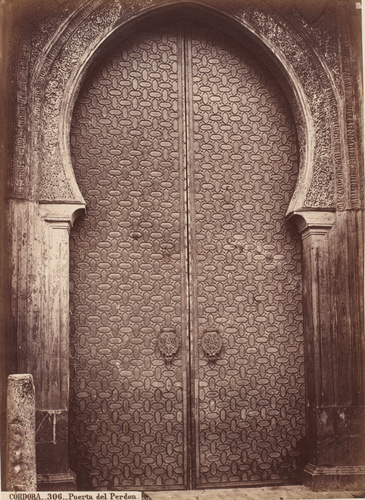
Introduction to Cordoba
Cordoba, located in southern Spain, is a city beyond mere geographical significance. Renowned for its elaborate architecture and rich cultural heritage, Cordoba played a pivotal role during the Islamic rule of the Iberian Peninsula and continues to be a focal point for both tourism and scholarship. The city’s fusion of Moorish and Spanish influences makes it a UNESCO World Heritage site, drawing thousands of visitors each year and showcasing its importance in the realms of history, art, and architecture.
Historical Background
Cordoba was the capital of the Roman province of Hispania and later became a prominent city under Muslim rule from the 8th to 13th centuries. During this golden age, Cordoba was one of the largest and most advanced cities in Europe, boasting a population exceeding 500,000 at its peak. It became an intellectual hub, home to renowned philosophers, poets, and scientists such as Maimonides, and an epicenter for the translation of classical works.
Architectural Marvels
The architectural wonders of Cordoba are its most outstanding feature. The Mosque-Cathedral of Cordoba, or La Mezquita, is a prime example of Moorish architecture and is celebrated for its stunning arches and intricate design. Originally built as a mosque, it was converted into a cathedral following the Reconquista. Visitors can admire the stunning mosaics, the mihrab (prayer niche), and the famous forest of columns that make this structure unique.
In addition to La Mezquita, the Alcázar de los Reyes Cristianos and the Roman Bridge are vital symbols of the city’s diverse history. The Alcázar served as a royal palace and reflects the influences of both Islamic and Christian architecture. The Roman Bridge is an impressive engineering feat that connects the ancient and modern worlds.
Cultural Significance
Cordoba is also known for its vibrant culture and traditions. The city celebrates several festivals throughout the year, including the Festival of Patios, recognized by UNESCO for its floral aesthetics and artistic expression. Moreover, Cordoba is famous for its flamenco music and dance, which embodies the passionate spirit of Andalusian culture.
Conclusion: The Future of Cordoba
In conclusion, Cordoba is not just a city steeped in history; it represents a blend of cultures that have shaped its identity over the centuries. As global interest in cultural tourism rises, Cordoba’s significance is projected to increase, promoting heritage preservation and encouraging economic development through tourism. The city’s commitment to preserving its rich past while adapting to modern needs highlights its ongoing relevance in today’s world. Readers are encouraged to explore Cordoba’s unique heritage, as it remains a vibrant testament to the confluence of diverse civilizations.