Introduction
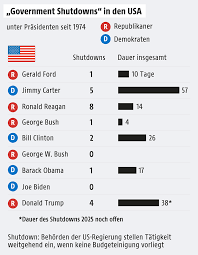
The recent discussions surrounding potential US government shutdowns have highlighted their profound impacts on both the economy and citizens. These shutdowns occur when Congress fails to pass funding legislation for government operations, affecting federal agencies and services. Understanding the implications of these shutdowns is crucial for every American, as they can lead to significant disruptions in public services, economic stability, and the morale of government employees.
What Causes a Government Shutdown?
A government shutdown typically arises from political stalemates and disagreements in Congress over budgetary requirements. The recent debates in Congress have showcased sharp divides between political parties regarding spending priorities, including issues around healthcare, infrastructure, and social welfare programs. For example, the ongoing negotiations over fiscal year 2024 allocations have once again raised concerns about the likelihood of a shutdown, as policymakers struggle to agree on essential expenditures.
Impact on Services and Employees
During a government shutdown, non-essential federal services are halted, leading to a range of consequences for the public. National Parks close, federal employees face furloughs or work without pay, and critical services like the processing of visas and tax returns can be significantly delayed. For instance, the 2019 shutdown, which lasted 35 days, resulted in approximately 800,000 federal workers being furloughed or working without pay, leading to widespread financial distress. The consequences of such shutdowns extend beyond immediate inconveniences, causing long-lasting economic repercussions for employees and businesses reliant on government contracts.
Public Reaction and Political Ramifications
Public reaction to government shutdowns tends to be overwhelmingly negative. Polls have consistently shown that a majority of Americans disapprove of their elected officials during these periods of dysfunction. Political analysts suggest that frequent shutdowns could impact the upcoming elections, as voters may respond to party performance regarding essential governance, including budgeting and funding issues.
Conclusion
As discussions about the possibility of impending government shutdowns continue, it’s clear that the stakes are high for all Americans. A shutdown not only disrupts daily life but also places economic burdens on families and businesses alike. Looking forward, lawmakers must seek collaborative solutions to avoid shutdowns, ensuring the continuity of government services while addressing critical budgetary concerns. With the 2024 elections on the horizon, how leaders navigate these challenges could significantly affect their political future and the welfare of the nation.