Introduction
The term ‘Zionist’ is frequently used in political and social discourse, particularly in discussions surrounding Israel and its historical context. Zionism, as a movement, was founded in the late 19th century with the goal of establishing a Jewish homeland in what is now Israel. Understanding the complexities of this term is crucial, as it plays a significant role in contemporary geopolitical discussions centered around identity, nationalism, and international relations.
Historical Context
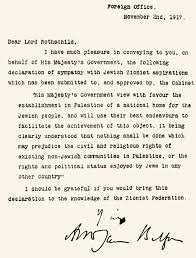
Zionism emerged in the late 19th century led by figures like Theodor Herzl, primarily as a response to widespread anti-Semitism in Europe and the desire for Jewish self-determination. The movement gained momentum after the First Zionist Congress held in 1897 in Basel, Switzerland, where Herzl and other leaders sought to establish a national home for the Jewish people in Palestine.
Modern-day Perspectives
Today, the term ‘Zionist’ is often used to describe individuals or groups that support the existence and development of Israel as a Jewish state. However, it can carry different connotations depending on the speaker and the context in which it is used. Some view Zionism as a legitimate national liberation movement, while others criticize it for perceived implications on the rights of Palestinians. The ongoing Israeli-Palestinian conflict is at the heart of many contemporary discussions about Zionism, as differing narratives shape public opinion and policy decisions.
Contemporary Relevance
Zionism remains a polarising topic in international relations, particularly in the context of Middle Eastern politics. Recent developments, including the Abraham Accords and various peace initiatives, have rekindled debates around the legitimacy of Zionism and its impact on peace prospects. The term can evoke strong emotions and opposing views, making it imperative for individuals engaging in these discussions to approach with sensitivity and an understanding of historical nuances.
Conclusion
Understanding the term ‘Zionist’ is essential for engaging in informed discussions regarding Israel, Palestine, and global reactions to these issues. With Zionism’s historical roots and its evolving role in contemporary politics, it remains a significant term in understanding regional dynamics and international relations. As global discussions on nationalism, identity, and human rights continue, the implications of Zionism will likely remain a critical front in diplomacy and social discourse.