Introduction
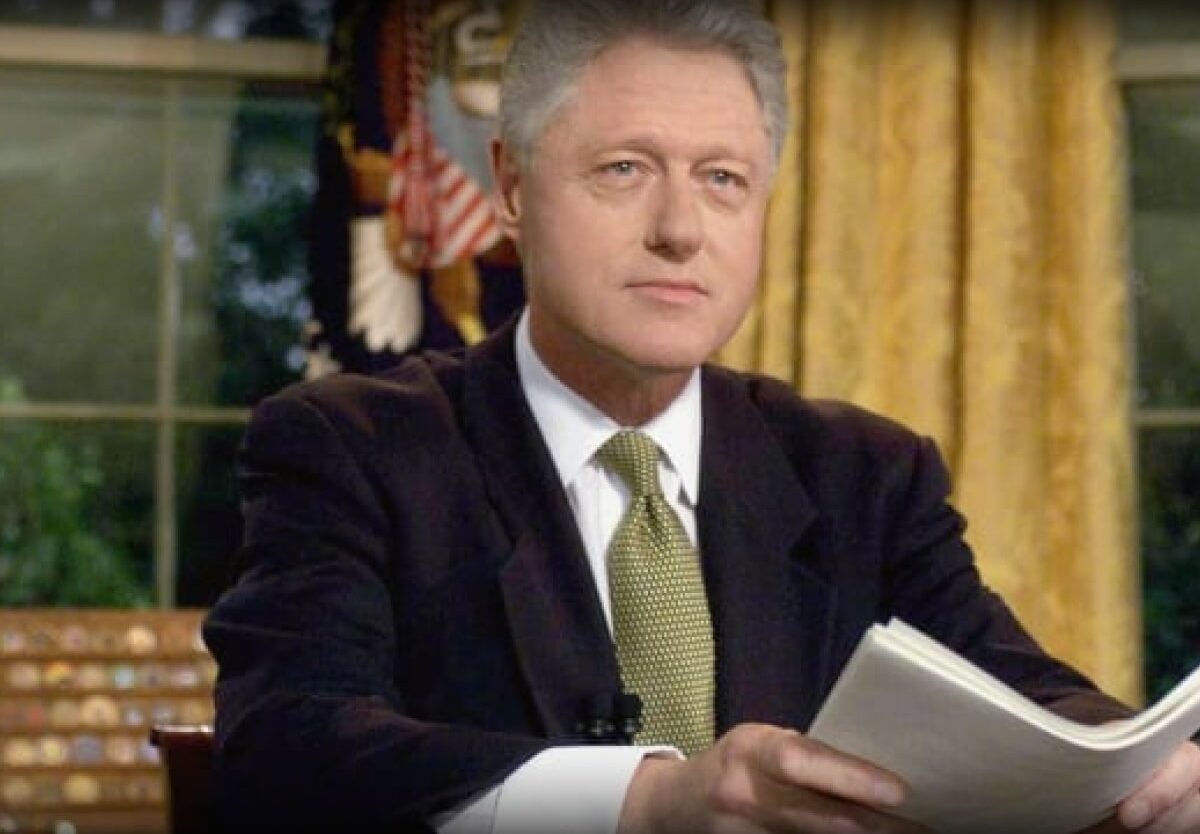
Bill Clinton, the 42nd President of the United States, served from 1993 to 2001, marking a significant era in American politics. Known for his charismatic leadership and controversial presidency, Clinton’s tenure was defined by economic prosperity, foreign policy challenges, and a significant impeachment trial. His legacy continues to influence both the Democratic Party and American politics today.
Economic Policies and Achievements
During Clinton’s presidency, the United States experienced one of the longest periods of peacetime economic expansion in its history. His administration focused on fiscal responsibility, leading to the first budget surplus since 1969. The passage of the North American Free Trade Agreement (NAFTA) in 1994 and the establishment of the Children’s Health Insurance Program (CHIP) are also key achievements attributed to his leadership, impacting millions of American citizens and shaping the economy.
Foreign Policy Initiatives
Clinton’s foreign policy featured several significant events, including the NATO airstrikes in Kosovo and his attempts to bring peace to the Middle East, notably through the Camp David Summit in 2000. His efforts to address the burgeoning global HIV/AIDS crisis also marked him as a visionary leader on humanitarian issues. However, his foreign policy was not without controversy, as critics argue that decisions also led to complex international repercussions.
Impeachment and Controversies
Clinton’s presidency was marred by personal scandals, particularly the infamous affair with White House intern Monica Lewinsky, which led to his impeachment by the House of Representatives in 1998 on charges of perjury and obstruction of justice. The Senate later acquitted him, allowing him to complete his second term. This episode raised questions about personal conduct and ethics in office, discussions that resonate in political discourse today.
Conclusion
Bill Clinton remains a polarising figure in American history. His economic successes and social policies are praised, while his personal scandals continue to generate debate. As the Democratic Party navigates its future, Clinton’s era serves as a reminder of the complexities of leadership and the enduring impact of presidential decisions. With continued relevance in political discussions, Clinton’s legacy invites both reflection and critical analysis, ensuring his place in the annals of American political history.