Introduction
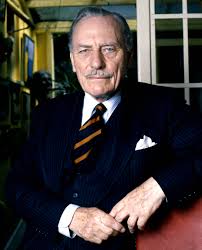
Enoch Powell, a prominent yet controversial figure in British politics, is widely remembered for his provocative rhetoric and the impact of his views on immigration and race relations. His infamous ‘Rivers of Blood’ speech in 1968 ignited heated debates and positioned him as a polarising force within the Conservative Party and beyond. Understanding Powell’s significance is crucial as Britain navigates its complex identity and history of multiculturalism.
Background and Rise to Prominence
Born in 1912, Enoch Powell was a classicist, soldier, and politician who first entered the House of Commons in 1950. He quickly became known for his articulate contributions to debates, rising through the ranks to serve as Minister of Health and later as Shadow Defence Secretary. His political philosophy was deeply rooted in conservative values, advocating for limited government intervention and traditional British values.
The ‘Rivers of Blood’ Speech
The turning point in Powell’s career came on April 20, 1968, when he delivered a speech in Birmingham that forecast dire consequences of immigration and reflected a growing sentiment among certain sectors of the British public. In it, he famously warned that the UK was on the brink of ethnic conflict, stating, “Like the Roman, I seem to see ‘the River Tiber foaming with much blood.'” This speech led to widespread protests, support, and condemnation, culminating in his dismissal from the Conservative shadow cabinet. The speech continues to spark discussions about race, nationalism, and immigration policy in Britain.
Political Repercussions and Legacy
After the controversy surrounding his speech, Powell was unable to return to significant political office but remained a respected figure among right-wing voters. His views have influenced subsequent generations of politicians and the broader discourse surrounding immigration and national identity. Over the decades, Powell’s legacy has remained a double-edged sword; he is both revered by some as a prophet of the dangers of uncontrolled immigration and reviled by others as a symbol of racism and xenophobia.
Conclusion
Enoch Powell’s contribution to British politics is a testament to the complexities of national dialogue surrounding immigration and identity. As the UK faces ongoing debates about its future post-Brexit and the implications of integration and multiculturalism, Powell’s voice echoes through time, reminding us of the power of rhetoric in shaping political landscapes. The discussions ignited by his life and work continue to hold relevance today, as they challenge us to consider the balance between tradition and change in a diverse society.