Introduction
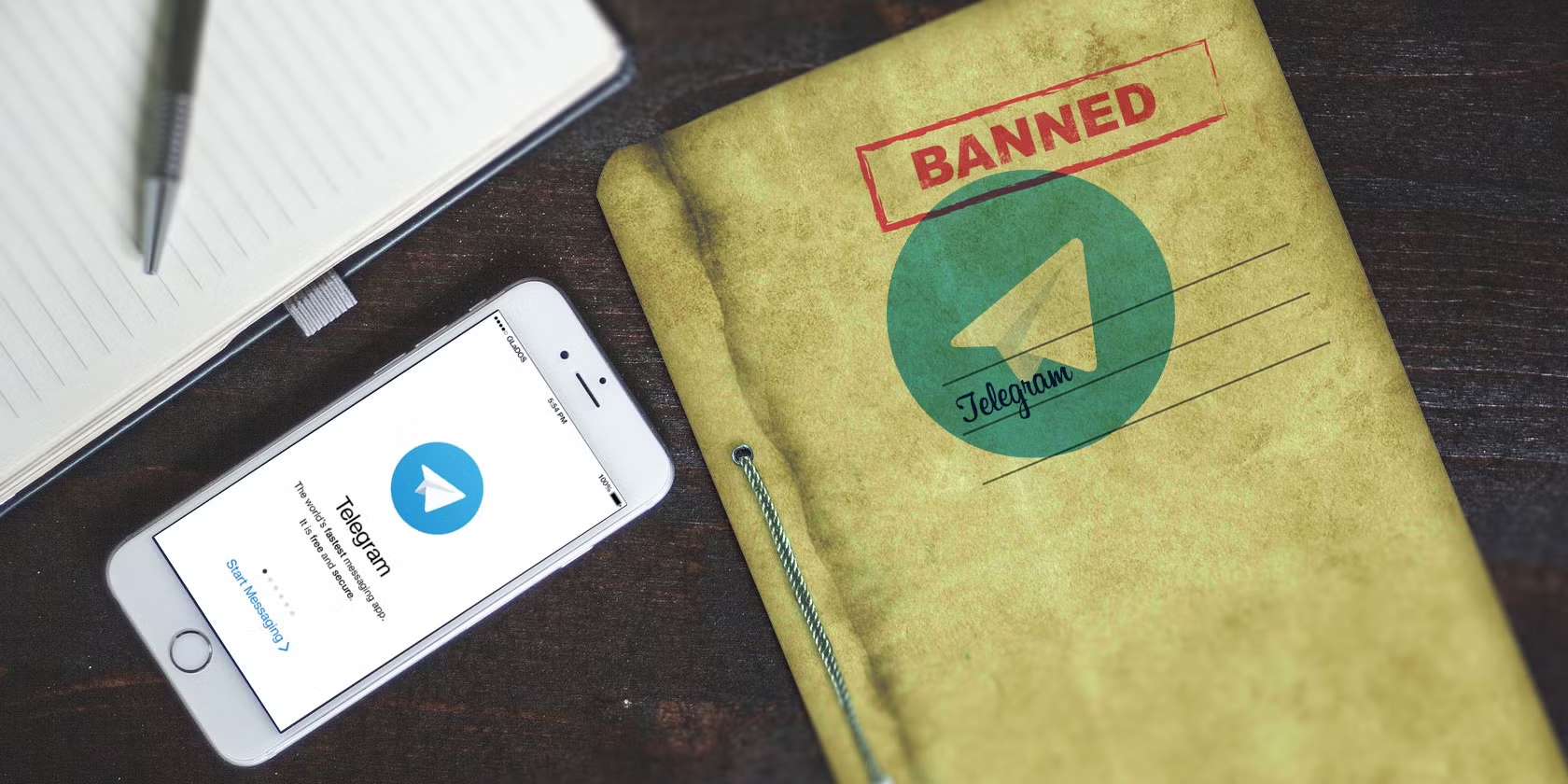
The ongoing restrictions on messaging platforms in Russia have sparked significant concerns regarding freedom of expression and the flow of information within the country. Telegram, a widely used messaging app, has faced scrutiny from the Russian government due to its encryption features that protect user privacy. The importance of the Russia Telegram ban lies in its implications for digital communication and activism, making it a topic of both domestic and international interest.
The Ban on Telegram
In March 2022, the Russian government initiated a ban on Telegram, citing national security concerns following the outbreak of the Ukraine conflict. The authorities claimed that the app facilitated the distribution of extremist content and misinformation, leading to unrest. Despite the official ban, Telegram continued to operate stealthily, with many Russian citizens using VPNs and other tools to bypass restrictions.
Impact on Communication
The Telegram ban has had a profound impact on communication among Russians, particularly activists and journalists. While alternative channels have emerged, the lack of secure and reliable means of communication amplifies the risks faced by those opposing the government. Reports indicate a surge in self-censorship among users, fearing repercussions from surveillance or state retribution.
International Reactions
The international community has closely monitored the situation, with various human rights organisations condemning the ban as a violation of free speech. In response, several technology companies and advocacy groups have rallied support for Russian users, emphasizing the need to uphold digital rights amidst growing authoritarianism.
Conclusion
The Russia Telegram ban underscores the escalating tensions between state control and individual freedoms in the digital era. As more countries grapple with issues of censorship and surveillance, the situation in Russia serves as a critical case study of the delicate balance between security and human rights. While the future of Telegram in Russia remains uncertain, the awareness and resistance against such bans are likely to shape the discourse on digital freedom in the coming years.