Introduction
László Krasznahorkai, a prominent Hungarian author, has made significant contributions to contemporary literature. His unique narrative style, often characterised by long, winding sentences, has garnered international acclaim and a dedicated following. Krasznahorkai’s works delve into profound existential themes, examining the complexities of human existence. As literature continues to evolve, the significance of Krasznahorkai’s narratives offers valuable insights into the human condition, making his work relevant to both readers and critics today.
Krasznahorkai’s Literary Journey
Krasznahorkai was born in 1954 in Gyula, Hungary. He first gained recognition with his novel, Sátántangó, published in 1985. This work is often regarded as one of the greatest Hungarian novels and later inspired a celebrated film by Béla Tarr. Sátántangó presents a bleak portrayal of life in a small Hungarian village, capturing the struggles of human relationships amid social despair.
In the decades that followed, Krasznahorkai continued to produce a diverse body of work, including notable titles such as The Melancholy of Resistance and War and War. His collaborations with various filmmakers and artists have further enhanced his literary presence, cementing his status as a multifaceted contributor to the arts.
Thematic Depth
Central to Krasznahorkai’s writing is the exploration of time and the cyclical nature of history. His stories often juxtapose the past and present, highlighting the inescapable fate of humanity. Such themes resonate deeply with readers, illustrating a shared sense of alienation and existential dread. Critics have praised his ability to weave philosophical reflections into compelling narratives that challenge readers to confront uncomfortable truths about society and self.
Recent Developments and Recognition
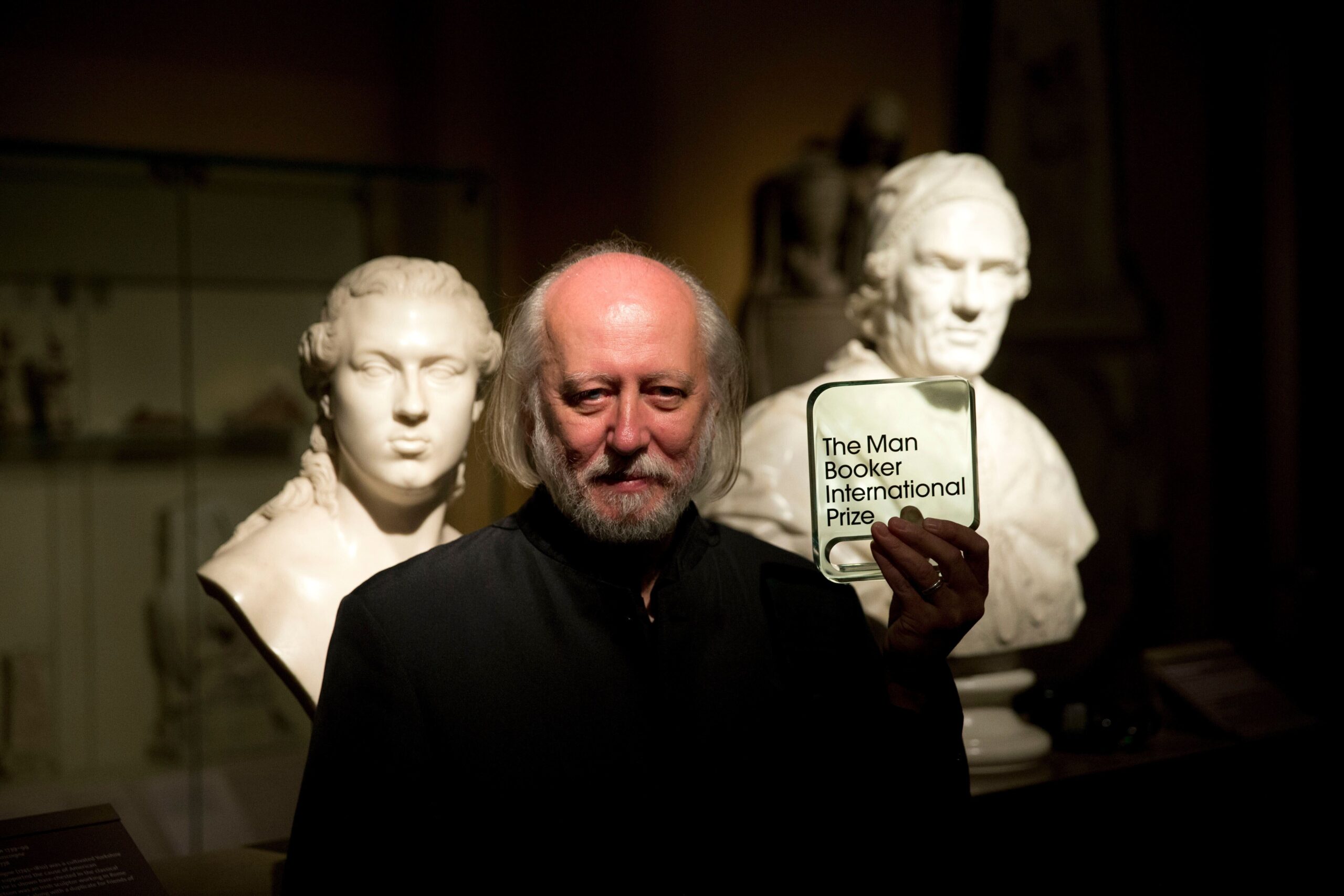
In 2015, Krasznahorkai was awarded the Man Booker International Prize, a testament to his global literary influence. His more recent work, The World Goes On, released in English translation in 2018, further demonstrates his innovative stylistic approach and profound thematic exploration. Through these accolades, Krasznahorkai’s literary voice continues to garner attention, allowing new audiences to experience his profound storytelling.
Conclusion
László Krasznahorkai remains a vital figure in contemporary literature, his works serving as a mirror reflecting the depths of human experience. As his novels increasingly receive global recognition, readers are encouraged to engage with his writing, exploring the layers of meaning within. The significance of Krasznahorkai’s literature extends beyond mere entertainment; it challenges societal norms and beckons introspection, ensuring its place in the literary discourse for years to come.