Introduction
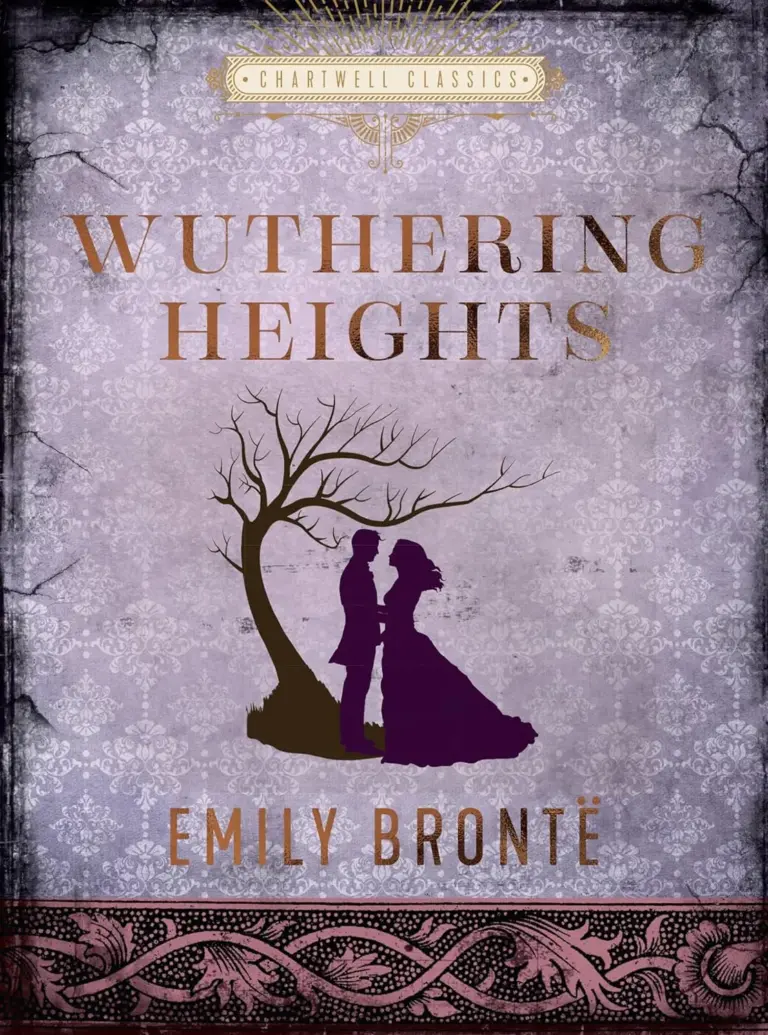
“Wuthering Heights,” a novel by Emily Brontë, first published in 1847, remains one of the most celebrated works of English literature. Its exploration of complex themes such as love, revenge, and the interplay between nature and human emotion continues to resonate with readers today. Given its status as a classic, a thorough review is essential to understand why it captivates audiences generation after generation.
Plot Summary
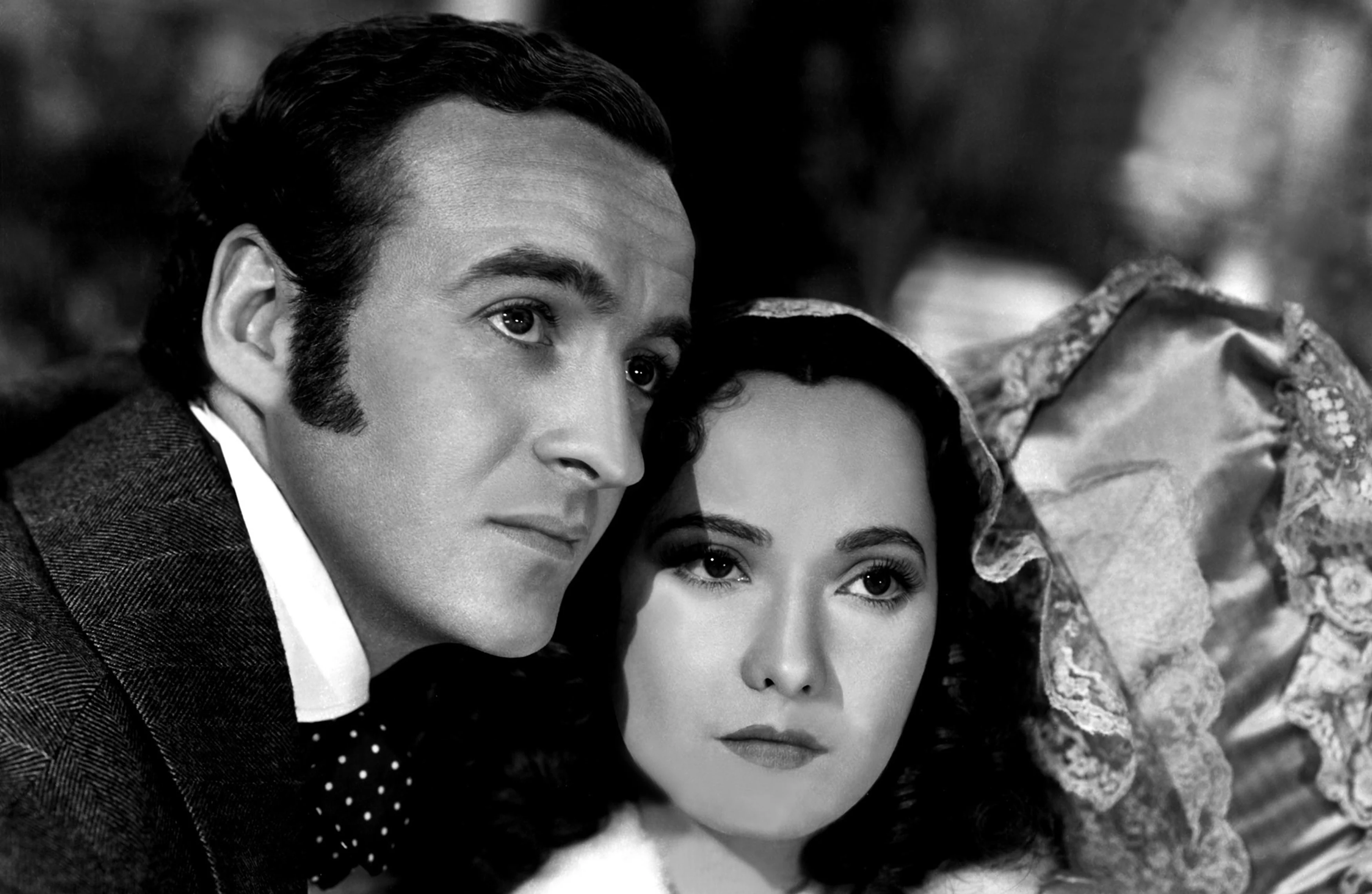
The story revolves around the tumultuous relationship between Heathcliff, a brooding, vengeful figure, and Catherine Earnshaw, a passionate but conflicted woman. Set against the backdrop of the Yorkshire moors, the narrative unfolds through the perspectives of various characters, primarily Mr. Lockwood and Nelly Dean, whose accounts provide a multi-layered view of the events that transpire. The intensity of Heathcliff and Catherine’s love, marred by societal expectations and personal choices, drives the plot into a spiral of heartache and tragedy.
Themes and Characters
One of the most striking elements of “Wuthering Heights” is the way Brontë develops her characters. Heathcliff is not merely a villain but a product of his environment, whose actions evoke both sympathy and horror. Catherine, too, is complex; her choices lead to both her happiness and her ultimate demise. Central themes include the destructive nature of passion, the effects of revenge, and the power of nature, as symbolised by the wild moors.
Literary Significance
The novel breaks conventions of its time with its non-linear structure and unreliable narrators, challenging readers to question the information before them. Its raw portrayal of human emotion and the societal constraints of the 19th century reflect Brontë’s profound understanding of the human psyche. As a result, “Wuthering Heights” is often regarded as one of the first psychological novels, paving the way for future literary endeavors in the gothic and romantic genres.
Conclusion
In conclusion, “Wuthering Heights” is more than just a love story; it is a complex exploration of the human condition. Its characters are deeply flawed yet relatable, and its themes remain relevant today, making it a worthwhile read for anyone interested in the depth of human emotion. As readers continue to engage with Brontë’s work, there is no doubt that “Wuthering Heights” will remain a cornerstone of literary discussion and a must-read for enthusiasts of classic literature.