Introduction
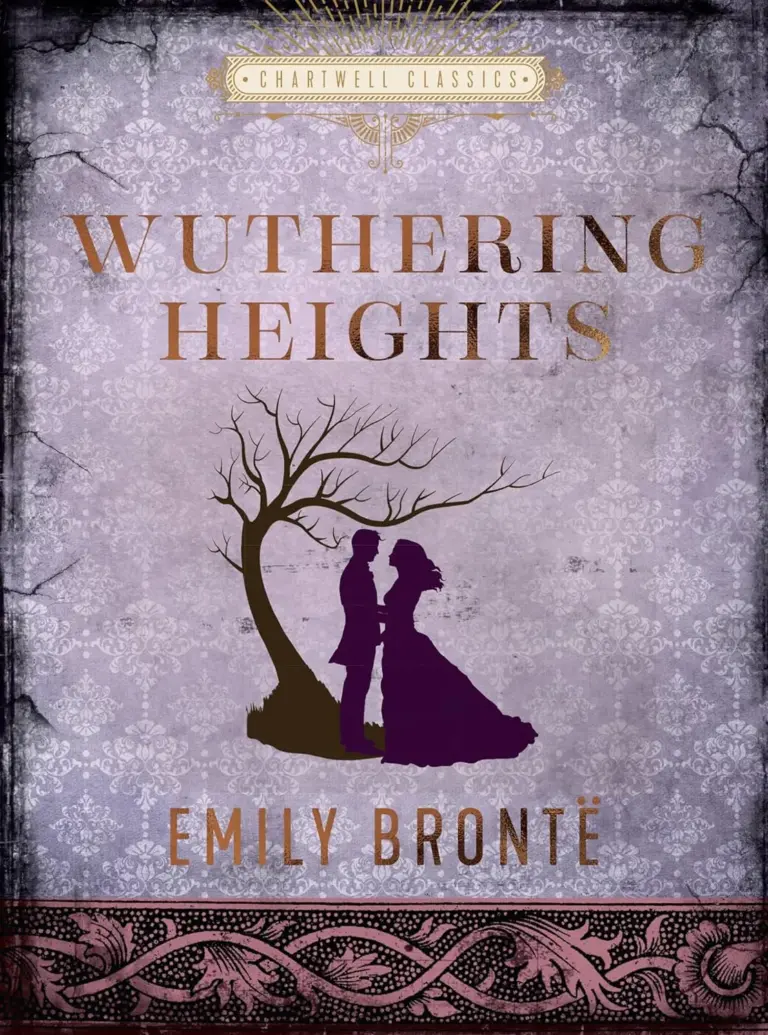
Wuthering Heights, the only novel by Emily Brontë, was published in 1847 under the pseudonym “Ellis Bell.” This literary classic has become one of the cornerstones of English literature, exploring themes of love, revenge, and social class. As we navigate through contemporary discussions of literature and culture, the importance of Wuthering Heights increasingly resonates, prompting readers and critics alike to discover its multifaceted narrative and its relevance in today’s world.
The Story’s Overview
Set in the Yorkshire moors, Wuthering Heights tells the tumultuous story of Heathcliff and Catherine Earnshaw, whose intense and passionate love leads to a cycle of revenge and suffering that impacts multiple generations. Brontë’s use of a framed narrative through the character of Mr. Lockwood and the housekeeper Nelly Dean allows for a complex storytelling technique. The portrayal of social hierarchy and the human psyche unveils a stark commentary on the nature of love and the consequences of obsession.
Modern Interpretations
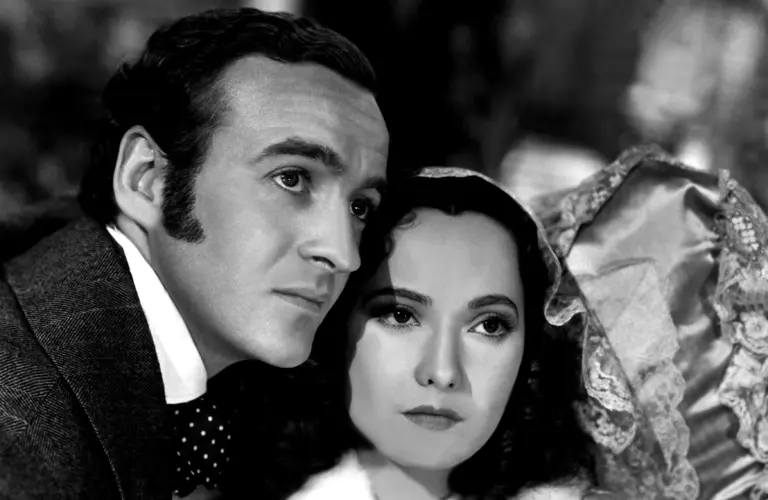
Although written over 170 years ago, Wuthering Heights remains incredibly relevant to modern readers. The novel’s themes of identity, class struggle, and emotional turbulence resonate in today’s society, where the quest for personal fulfilment often conflicts with societal expectations. Literary scholars frequently discuss Brontë’s challenge to Victorian norms, particularly regarding gender roles and social mobility. In recent years, adaptations in film, theatre, and even new forms of media highlight the timelessness of Brontë’s work.
Impact on Literature
Wuthering Heights has influenced countless writers and remains a reference point for character-driven narratives defined by their exploration of the darker sides of human nature. Authors such as Virginia Woolf and Jean Rhys have acknowledged Brontë’s profound impact on their own works. The novel’s capacity to evoke a range of emotions—from despair to excitement—has secured its status as a must-read for anyone interested in the intricacies of character development and narrative technique.
Conclusion
Wuthering Heights is not merely a tale of love; it is a complex commentary on the human condition and societal structures. As contemporary discourse continues to evolve, so too does the appreciation for classic works of literature. Readers are encouraged to engage with Wuthering Heights, considering its themes and moral questions in light of current issues, ensuring that Emily Brontë’s masterpiece remains a vital part of the literary dialogue.