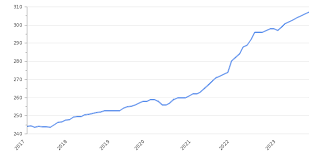
Introduction to US CPI
The Consumer Price Index (CPI) is a crucial economic indicator that measures the average change over time in the prices paid by consumers for goods and services. Recently, the US CPI has been a topic of significant discussion as inflation rates continue to affect the economy in various ways. Understanding the CPI is essential for consumers, businesses, and policymakers alike, as it provides insights into purchasing power and cost of living adjustments.
Recent Trends in US CPI
As of September 2023, the US CPI data showed a year-over-year increase of 3.7%, up from 3.2% in August, according to the Bureau of Labor Statistics (BLS). While this figure indicates inflation is moderating from the 9.1% peak observed in June 2022, it still suggests persistent inflationary pressures in the economy. Core CPI, which excludes volatile food and energy prices, rose 4.1% year-over-year, signalling that underlying inflation remains a concern.
Factors Contributing to CPI Changes
Several factors contribute to the fluctuations in the US CPI. Supply chain disruptions, rising commodity prices, and changes in consumer demand are all influential factors. For instance, energy prices saw a notable increase of 6.2% from the previous month, primarily driven by rising crude oil prices amid geopolitical tensions. Meanwhile, shelter costs have continued to climb, contributing significantly to overall inflation.
Impact on Consumers and the Economy
The increasing CPI influences the purchasing power of consumers, making it imperative for families to adjust their budgets accordingly. Higher prices force consumers to reconsider their spending habits, impacting everything from daily groceries to larger purchases like vehicles and homes. For businesses, persistent inflation can lead to increased costs of production and may impact profit margins if they cannot pass costs onto consumers.
Conclusion and Future Outlook
Looking ahead, the future trajectory of the US CPI will heavily depend on factors such as ongoing supply chain recovery, central bank policies, and global economic conditions. The Federal Reserve, in its attempts to curb inflation, may continue to adjust interest rates, which could further influence consumer spending and investment attitudes. For consumers and businesses, staying informed about CPI trends is vital for effective financial planning and decision-making in an increasingly volatile economic landscape.